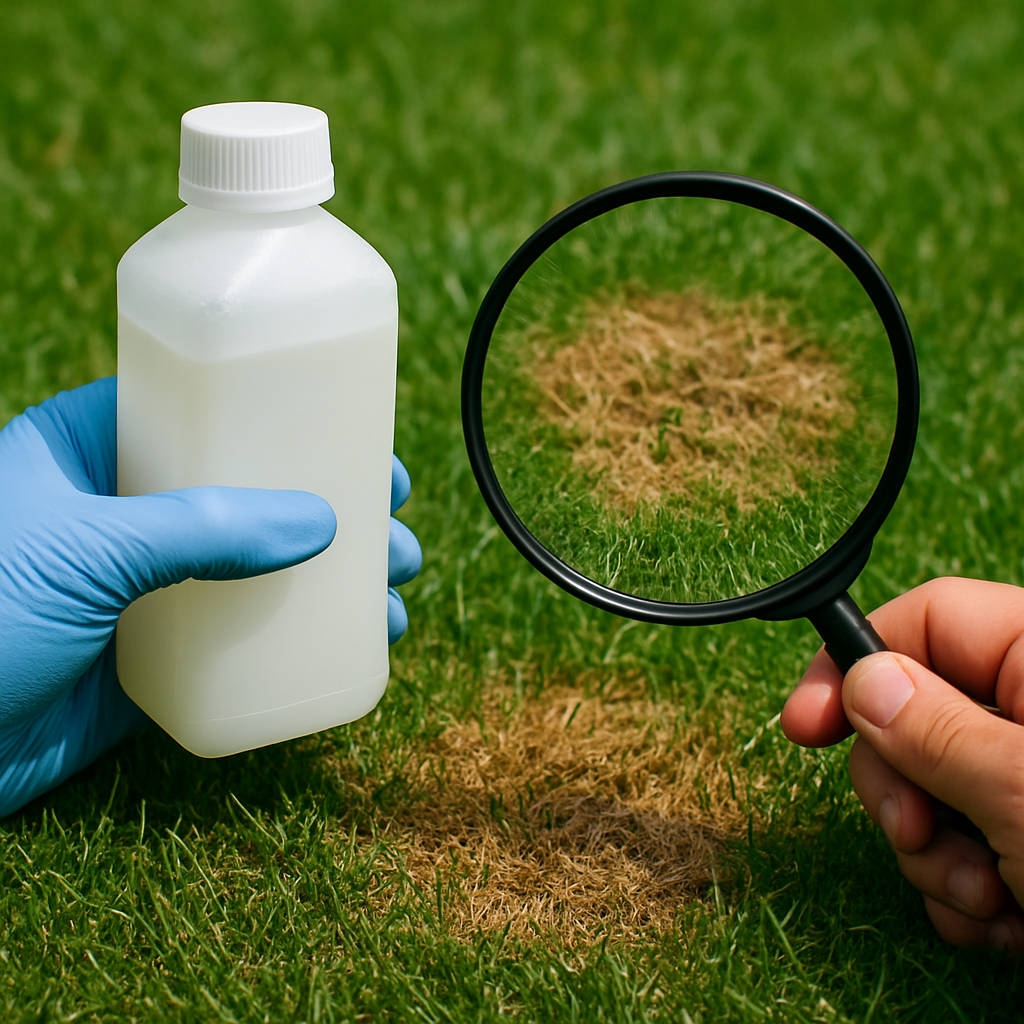
For homeowners managing zoysiagrass or other warm-season turfs, understanding the right Zoysia Patch fungicide, knowing the key active ingredient, and recognizing symptoms through disease pictures are critical to stopping this common grass problem early. The most effective treatments, their timing, and visual cues can be the difference between a thriving lawn and one dying in patches. This guide delivers the essential information up front: for best results, choose a fungicide containing azoxystrobin or propiconazole, apply as soon as the first circular brown patches appear in cool, damp weather, and use reliable diagnostic images to confirm symptoms before treatment.
Identifying Large Patch and Early Disease Symptoms
Zoysia Patch, also known as Large Patch, often manifests as circular, brown or tan patches ranging from a few inches to several feet in diameter. The disease primarily affects zoysiagrass but can also impact other warm-season turfgrasses such as bermudagrass and St. Augustinegrass. Early signs include yellow to orange margins around patches and water-soaked leaf blades, usually visible during cool, moist periods in spring and fall.
As it advances, the affected grass thins and dies, leaving sunken, straw-colored rings. According to Oklahoma State University Extension, the optimal window for diagnosis is when these patches are actively expanding. Disease pictures showcasing these stages are key to accurate identification.
Patrol your lawn frequently in late fall and early spring, particularly during extended damp and cool nights. Early diagnosis prevents unnecessary treatments and preserves turf health.
Choosing the Right Fungicide and Active Ingredients
Azoxystrobin, propiconazole, and fluoxastrobin are among the best fungicide active ingredients for managing Zoysia Patch fungus. Broad-spectrum systemic fungicides containing these chemicals penetrate grass leaves and provide both preventive and curative action against the Rhizoctonia solani fungus, the primary pathogen responsible for Zoysia Patch.
Products combining two active ingredients, such as trifloxystrobin + propiconazole, often provide broader protection and help prevent resistance. Always verify the label to ensure the fungicide is marked for use on zoysiagrass and specifically targets Rhizoctonia diseases.
For the most current recommendations on formulations and usage, consult your state extension service or turfgrass expert. Regularly rotating active ingredients helps maintain their efficacy and limits the chances of fungus adaptation.
Careful product selection ensures you get the most cost-effective and lasting results for your lawn.
Best Application Strategies and Optimal Timing
The timing of fungicide applications is as important as product choice. Fungicides for Zoysia Patch are most effective when applied preventively, just as soil temperatures fall in autumn (60-70°F) and again in early spring if historical outbreaks occur. This approach combats the fungus before visible symptoms emerge on the grass blades.
Apply fungicides during periods when the disease is active but before extensive turf death occurs. Even coverage is critical: use a sprayer with uniform droplet size and treat the entire affected and surrounding area, overlapping the edges of visible patches to suppress underground mycelium.
Reapplication intervals vary based on active ingredient and local disease pressure, but typically, treatments should continue every 21 to 28 days during risk periods. Water in systemic fungicides lightly to move the product into the root zone, but avoid heavy irrigation immediately after application.
Correct usage and precise timing can nearly halt patch expansion if weather remains favorable.
For detailed, region-specific guidance, see NC State University's disease fact sheet.
Understanding Disease Progression and Recovery in Warm-Season Lawns
Zoysia Patch typically emerges when warm-season grasses are entering winter dormancy or just breaking dormancy in spring. The most rapid disease progression is seen with poor soil drainage, excessive thatch, overwatering, or unbalanced high nitrogen fertilization during cool months. The fungus thrives when grass is slow-growing and soil remains moist, so understanding these conditions is key to both treatment and prevention.
Symptoms are more apparent during grass transitions into or out of winter, appearing as suddenly dying patches that may expand for weeks if left untreated. Affected turf won’t usually recover until temperatures rise and new shoots grow from surviving crowns, but prompt fungicide action minimizes permanent loss.
To promote natural recovery, remove excess thatch, improve lawn drainage, and avoid nitrogen fertilizer applications as temperatures cool. These simple cultural adjustments make fungicide treatments more effective and prevent recurrent outbreaks.
Visual Diagnosis with Disease Pictures and Managing Patchy, Dying Turf
High-quality photos of Zoysia Patch at different stages help distinguish it from other brown turf diseases. Early images show small amber or orange rings, while later pictures capture large, thin, and dead patches with clear borders. Signs such as patch size, ring color, and whether adjacent grass appears healthy are crucial for differentiating it from take-all root rot or drought damage.
In Texas and similar climates, winter and early spring images often highlight the stark contrast between healthy green and dead straw-like areas. Sharing these pictures with local extension agents helps confirm diagnosis before you invest in fungicide treatments.
Keep a log of patch locations and progression, as visual records assist in tracking long-term effectiveness and deciding if repeated applications are warranted. A photographic approach ensures timely detection and reduces unnecessary interventions, maximizing your lawn's chance for recovery.
For more expert visual references, review pictures provided in your local turfgrass guides or university extension fact sheets. Recognizing symptoms accurately leads to targeted, cost-effective management.
Treating Zoysia Patch requires early identification with pictures, careful fungicide selection, and precise application during seasonal risk periods for optimal turf recovery and sustainability.
Comments
Post a Comment