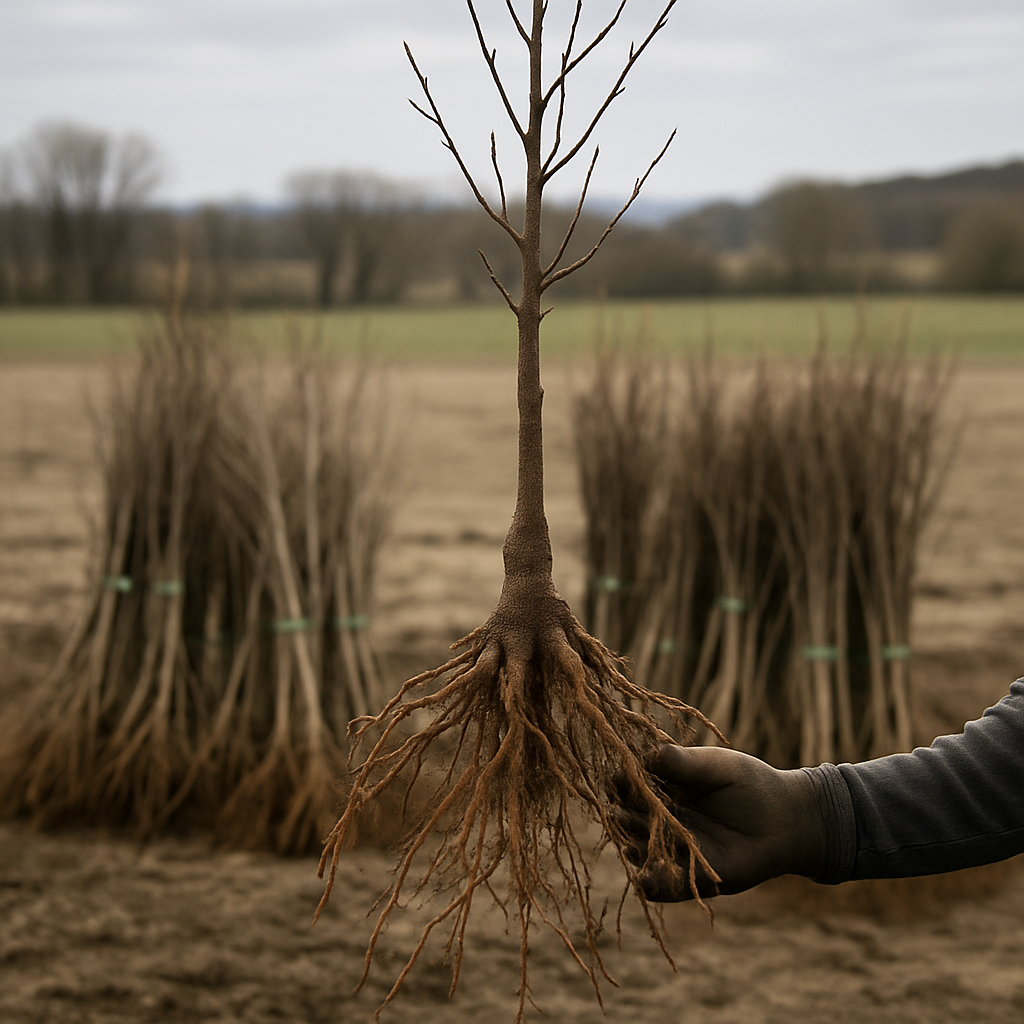
Understanding Bare Root Trees: Practical Advantages for Gardeners
Bare root trees offer a cost-effective, lightweight, and efficient solution for homeowners, landscapers, and orchardists interested in planting healthy trees that adapt well to new locations. These trees are shipped and transported with no soil, making them less expensive and easier to handle than their potted counterparts. When planting in the dormant season, bare root specimens often outpace containerized stock in growth and vigor, making them particularly attractive for those seeking fast and resilient results. This guide will cover the best times to plant, key benefits, and where to locate trusted sources throughout the USA, including California, Texas, and Florida.
Key Features and Benefits of Choosing Bare Root Stock
Opting for bare root varieties presents clear financial and practical advantages. Because these trees are dug up when dormant and kept without soil, growers avoid the weight and mess of potted soil for transport and handling. This keeps shipping costs low—a major consideration for online wholesale purchases or those ordering in bulk from nearby nurseries.
Another vital benefit is the rapid establishment after transplanting. Since the root system is naturally fibrous and not restricted by a container, bare root plants quickly adapt to new environments. Within only a few years, they routinely overtake the growth of even larger containerized trees, a benefit highlighted by resources like the Arbor Day Foundation.
In addition to better transportability and strong root development, bare root options often cost less than their potted equivalents. This affordability makes them an ideal choice for creating orchards, reforesting lots, or installing large landscape plantings.
When and How to Plant for Best Results
Timing is essential. Plant bare root trees while still dormant, typically from late fall to early spring when daily temperatures are below 56°F and the tree is not actively growing. Early planting reduces transplant shock and ensures roots have a chance to establish before warm weather triggers leaf and flower growth.
Proper pre-planting storage is crucial. If you cannot plant right away, follow trusted storage techniques like "heeling in," which involves temporarily burying the roots in moist soil or mulch to maintain moisture. Detailed guidance on these methods is available in the Western Washington University Bare Root Plant Guide.
For fruit tree varieties and large landscape installations, confirm that the species is suitable for your region’s climate and soil conditions. Adhering to the correct window for planting is key to robust and disease-resistant growth.
Where to Buy Bare Root Trees: Online and Local Nurseries
Bare root trees are widely available both at local nurseries and through online retailers with national distribution. Searching for "bare root trees for sale near me" will help identify nearby sources in California, Texas, Florida, and throughout the USA. Many mail-order nurseries specialize in fruit trees, flowering perennials, and native species, offering both retail and wholesale options.
When choosing a supplier, check reviews and make sure the nursery is reputable—most should offer rooted examples or share phone numbers for questions. California and Texas, in particular, have a strong network of reliable bare root nurseries, while online platforms allow customers anywhere in the country to compare varieties, pricing, and root quality.
Look for suppliers with clear communication about shipping timing and root storage, especially if you want to take advantage of local planting windows for best results.
Perennial and Fruit Tree Success: Practical Planting Steps
To maximize your success with bare root planting, be sure to follow these steps:
- Unpack plants immediately upon arrival and inspect for healthy, moist roots.
- Soak root systems in water for a few hours before planting if shipment took more than a day or two.
- Plant at the same depth they were previously growing, ensuring roots spread naturally and are not bent.
- Backfill with native soil and water thoroughly to eliminate air pockets and stimulate root-to-soil contact.
- Apply mulch around the root zone but avoid piling it against the trunk to reduce rot risk.
- During the first season, water every 7 to 10 days during dry periods to promote strong root establishment as advised by Arbor Day Foundation guidelines.
Following these steps will ensure that both fruit and landscape trees adapt and thrive in your chosen location, whether part of a home orchard or a larger restoration project.
Addressing Common Questions: Meaning, Disadvantages, and Planting Guidance
Bare root trees simply mean plants are supplied with roots free of soil, dormant, and ready for direct planting. Some gardeners may wonder about possible disadvantages—primarily, these trees require prompt planting and careful root moisture management. Unlike potted stock, they cannot survive extended exposure to air or extreme temperature swings.
Despite these potential drawbacks, the savings in cost and the proven adaptation benefits far outweigh the risks for most locations in Florida, Texas, California, and other states. By understanding the correct timing and handling, you can be confident in achieving healthy, rapid growth from your next bare root purchase.
Comments
Post a Comment