Liquid Options for Indoor Plants and Tomatoes
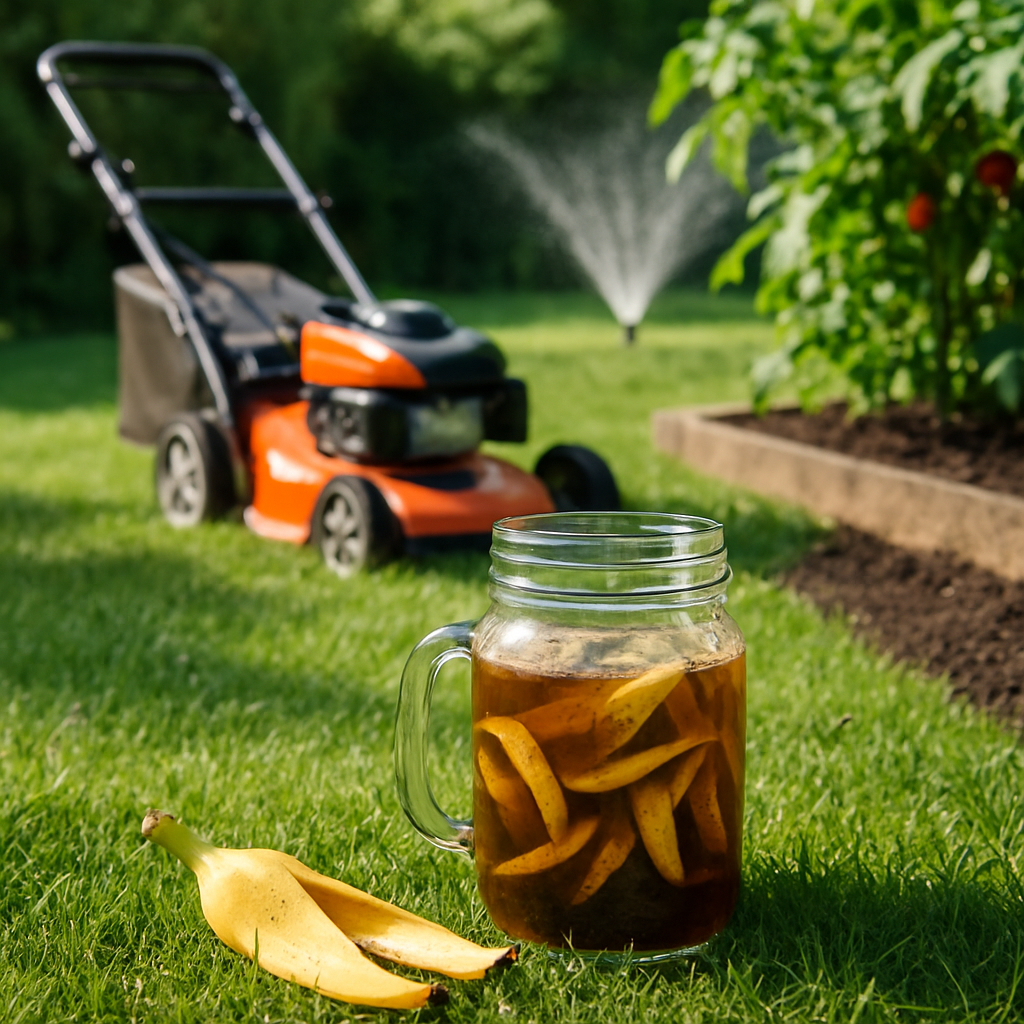
Banana peel fertilizer is a popular homemade gardening solution sought after for its natural nutrient content and ease of production. If you want a simple, eco-friendly way to boost plant growth, especially for indoor plants and tomatoes, banana peels can be transformed into a liquid fertilizer that is both effective and affordable. The process is straightforward: soak cut banana peels in water for several days, creating a mineral-rich solution that can be used directly on your plants. Many gardeners appreciate its ability to supply potassium—crucial to healthy fruiting and overall plant vigor—while reducing kitchen waste.
Making liquid banana peel fertilizer is not just about providing nutrients; it is about enhancing soil vitality and supporting plant development in a sustainable manner. Tomato plants in particular benefit from the steady release of nutrients, as do many common vegetables and even ornamental houseplants. It is essential, however, to understand both the advantages and limitations of this organic recipe to get the best results for your garden or indoor plant collection.
For those curious about detailed banana plant care or the science behind organic gardening methods, resources like the Banana Basics Guide offer broader insights into banana cultivation and fertilization techniques. Immersing yourself in trusted horticultural guidance can turn this household waste into a gardening asset with wide applicability.
Nutrient Content and NPK Ratio Explained
The nutrient balance—commonly referred to as the NPK ratio—determines the effectiveness of any fertilizer. Banana peels are renowned for their high potassium content, and while they contain smaller amounts of phosphorus and nitrogen, their overall NPK ratio is typically low in nitrogen (N), moderate in phosphorus (P), and high in potassium (K). This makes them especially advantageous for crops that require greater potassium, such as tomatoes and certain vegetables. Still, it’s important to recognize that banana peels alone will not supply all macro and micronutrients needed for lush, balanced growth.
When you soak peels in water, the resulting liquid mainly delivers these soluble minerals. Potassium aids in flower and fruit formation, making the solution beneficial for heavy feeders that thrive on this element. However, if you’re seeking rapid leafy growth or robust vegetable development, an all-purpose supplement might be needed. Using banana peel fertilizer alongside a comprehensive feeding routine will often yield the best overall results.
For a deeper look into how banana plants develop and their nutritional needs, established academic sources such as the Aggie Horticulture Banana Fact Sheet dissect the growth cycle and nutrient uptake in detail. Understanding these natural processes provides important context for integrating banana peel fertilizer into your broader care regimen.
Benefits for Vegetables, Blueberries, and Beyond
Banana peel liquid fertilizer stands out for its ability to boost the health of popular fruiting vegetables and even acid-loving plants like blueberries. The primary advantage is its abundance of potassium, which supports stronger stems, improved flowering, and higher yields. Tomatoes, peppers, and blueberries respond well to this extra potassium when used thoughtfully as part of a regular feeding schedule.
Aside from plant productivity, another clear benefit of using banana peels is sustainability. Repurposing kitchen scraps into plant food is both cost-effective and environmentally responsible. The process minimizes household waste and encourages a closed-loop, organic approach to home gardening. Many home gardeners report greener leaves and more robust harvests after consistently applying banana peel water to their edible and ornamental crops.
However, certain plants may not appreciate the sudden influx of minerals. Some acid-sensitive varieties or houseplants that prefer leaner soil mixes could react negatively if the fertilizer is overused or too concentrated. Observing your plants’ responses is the best way to tailor usage for optimal benefits.
Homemade Recipe, DIY Techniques, and Preparation Tips
To make banana peel fertilizer at home, begin by slicing fresh banana peels into small pieces. Place these into a clean jar, cover them with water, and seal the container. Allow the mixture to steep for three to five days, shaking occasionally to encourage mineral extraction. After steeping, strain the liquid and dilute with additional water before applying to your plants—this prevents salt buildup or overly concentrated feeding.
Some gardeners prefer fermenting banana peels for an even richer nutrient extract. This involves letting the peels soak for up to two weeks, sometimes with added sugar or yeast to promote microbial activity. The resulting liquid is potent and should be well-diluted to avoid overwhelming sensitive roots. Experimenting with soak times and dilution ratios helps you find the balance best suited to your specific garden or indoor plant needs.
- Standard Soaking Method: This approach requires minimal effort, making it perfect for beginners. It preserves most major nutrients and produces results quickly, but the solution can spoil if left unrefrigerated for too long, risking unpleasant odors or mold growth.
- Fermentation Method: By prolonging the soaking period and adding beneficial microbes, you create a highly enriched fertilizer. However, care must be taken as fermentation can sometimes attract pests or produce an overly strong concentrate that needs significant dilution before application.
Always rinse containers thoroughly after use and avoid storing finished fertilizer in direct sunlight, as this can degrade the nutrients before you have a chance to use it.
Pitfalls, Disadvantages, and Watering Myths
While banana peel fertilizer offers accessible plant nutrition, it’s not without disadvantages. Overapplication can cause mineral imbalances, especially when poured regularly onto sensitive root systems. Plants that prefer low-potassium or acidic conditions may show stress symptoms, and there is a persistent myth that all indoor plants will benefit equally—some simply do not. For example, cacti and succulents, which need sparse feeding, might not react well to this organic fertilizer.
Another risk is the inadvertent introduction of pests or pathogens. Banana peels, if not cleaned or stored properly, may attract fruit flies or mold. Always inspect peels, and use only fresh, disease-free fruit for fertilizer production. Additionally, peel-based liquid can begin to rot or ferment unpredictably if kept for too long, resulting in foul smells or slimy textures that are undesirable for both plants and gardeners.
Certain recipes recommend using undiluted banana water straight from the jar, but doing so can lead to nutrient overload. Always err on the side of caution—dilution reduces the risk of root burn and ensures gentle, consistent feeding. Combine your homemade fertilizer with periodic soil tests or careful plant observation for best results, adjusting frequency and concentration as needed.
- Don’t Use on Sensitive Plants: Plants like succulents or ferns that dislike heavy feeding are best left out of your banana peel watering routine. Too much potassium or residual sugars may disrupt their soil environment, potentially leading to yellowing leaves or wilting.
- Be Mindful of Storage: Storing banana fertilizer in an unsealed container or direct sunlight risks rapid decomposition. Use airtight jars, and keep them in a cool, shaded space to prolong freshness and prevent odors or mold formation that could harm plants.
Combining this simple organic method with informed plant care based on trusted resources, such as those offered at Wikipedia's Banana Overview, will help you maximize the benefits of banana peel fertilizer while minimizing its disadvantages.
Comments
Post a Comment