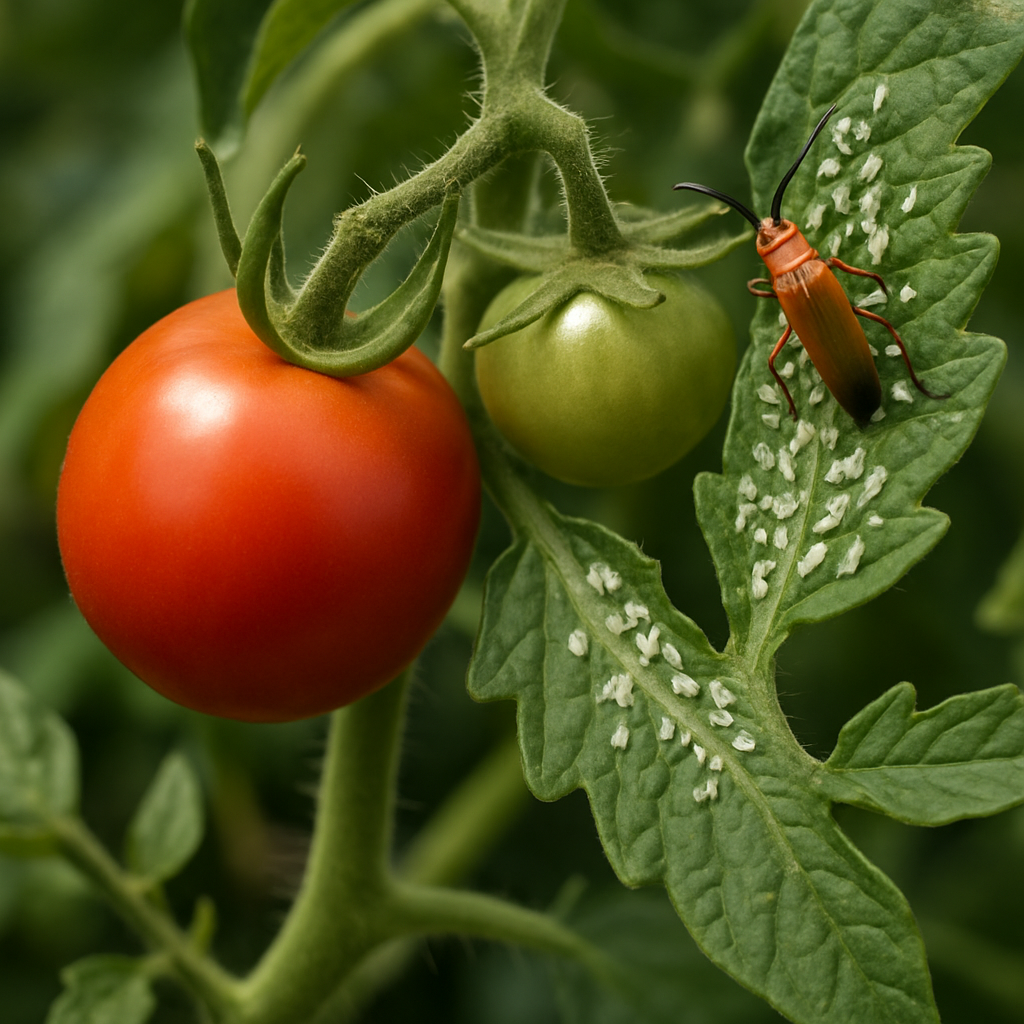
If you spot white aphids on your tomato plants, swift identification and action are vital to prevent damage and avoid infestations from spreading to other crops. White aphids, along with black, green, or pink aphids, can attack many garden plants—including tomatoes, strawberries, and roses—by sucking their sap, transmitting viral diseases, and weakening growth. Recognizing the signs early and applying direct home remedies can stop these pests before they turn into a major problem. Understanding their life cycle, appearance, and control methods is the key to protecting your tomato plant harvest.
Recognizing White Aphids and Similar Insects on Tomato Plants
Aphids are tiny, soft-bodied pests, usually about the size of a sesame seed. On tomatoes, they might appear white due to their color or from the molted skins they leave behind as they grow. Gardeners should become familiar with these indicators, including:
- Clustering of small bugs on the stems, flowers, or undersides of leaves
- Shedding of delicate white skins that resemble living insects
- Sticky residue, known as honeydew, which can attract ants or cause mold
It's important not to mistake white aphid skins for live pests. Both live aphids and their exoskeletons signal that your tomato plant has been visited by aphids and may be prone to future outbreaks.
In expert guides, these pests are described in multiple colors—green, black, red, or white—making proper identification essential for effective control.
Why Are Aphids a Major Problem for Tomato and Other Garden Crops?
Aphids quickly multiply and attack crops like tomato, kale, strawberries, and even ornamental garden plants. Their presence is a widespread issue globally. These sap-sucking bugs can carry and transmit plant viruses, worsening their impact on both vegetable and fruit yields.
Severe infestations lead to curling, yellowing leaves, reduced fruit production, and overall crop decline. White aphids are just one variation, but all aphid species cause similar problems by draining the plant's vital fluid and weakening its resilience.
Besides tomatoes, aphids are known pests of crops such as roses and strawberries. The risk is heightened in greenhouses or in regions with warm climates, such as southern California or Georgia, where pest populations thrive year-round.
Key Signs of Damage from Aphids and Related Pests
Inspecting your tomato plants is the best way to detect an aphid infestation early. Signs of aphid attack include:
- Yellow, curling, or misshaped leaves
- Slow plant growth or stunted fruit
- Visible white or black bugs and molted skins
- Sticky residue and sooty mold developing on leaves
Aphid feeding can open wounds for other insects and support secondary infections. You may also notice other pests, such as cutworms, spider mites, caterpillars, or beetles; spotting one pest increases the need to scout for others.
Expert garden resources emphasize the importance of monitoring not only for aphids but for an entire array of tomato plant pests signaled by similar symptoms.
How Aphids Multiply and Spread in the Garden Environment
Aphids often appear when a flying adult lands on a new host plant, such as tomatoes, to lay eggs. These eggs hatch, producing several generations in a single season. Populations of white or black aphids can expand quickly—in greenhouses or outdoor gardens—if unchecked.
Each cycle, aphids molt, leaving behind translucent white skins that are a telltale sign of their rapid population growth. This quick reproduction means you'll see more pests with each passing week, especially in warm, humid climates common to many gardening regions.
Gardeners in Louisiana, Georgia, NZ (New Zealand), and southern California frequently report rapid aphid population surges, often requiring vigilant monitoring and control techniques to protect their crops from major damage or loss.
Home Remedies and Effective Treatments for Controlling Aphids
Several treatment options can help control an infestation of white aphids on tomato plants, using items often found at home. The simplest strategy is to spray aphids off with water, focusing on the undersides of leaves to remove clusters without harming your crop.
Homemade soap sprays—combining dish detergent with water or adding vegetable oil—are effective and inexpensive. Apply them in the early morning or evening to avoid leaf burn. Neem oil is another trusted solution, disrupting the aphids' life cycle and deterring future attacks (source).
For organic gardens, introducing beneficial insects like ladybugs can help suppress aphid populations naturally. It is also useful to rotate crops like kale, cherry tomatoes, and other vegetables to limit pest buildup. Stay consistent with inspections, applying remedies as soon as you notice signs of attack, and maintain a healthy garden ecosystem by fostering biodiversity among your fruit and vegetable plants.
Addressing white aphids on tomato plants promptly is critical to protect your garden from further insect damage and ensure a strong, productive crop each season.
Comments
Post a Comment