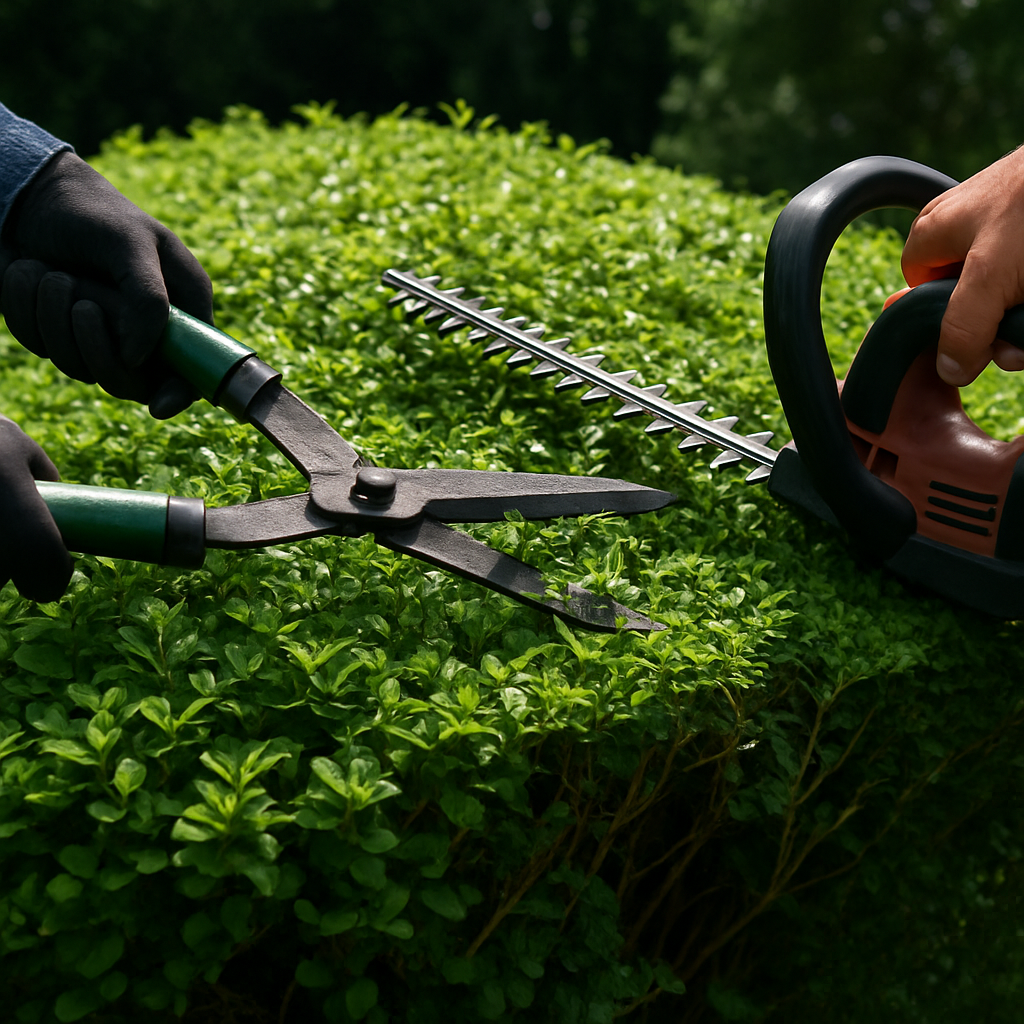
Effective hedge pruning leads to healthy, bushy, and attractive hedges in any garden. Whether you are using shears, an electric trimmer, or pruning by hand, understanding how to trim different types of hedges and when to cut them back—especially hard pruning—can help you grow fuller, denser screening for your property. This guide offers practical answers, best tools, and step-by-step strategies for both established and young hedges, so you can maintain thick, vibrant greenery without risking damage or untidy results.
Choosing the Right Tools for Cutting and Shaping
Selecting the best tool depends on the hedge's size, leaf type, and your desired outcome. For large-leaved varieties like cherry laurel, use secateurs or loppers to prune individual stems, which avoids unsightly cut surfaces (RHS expert advice). For small-leaved or formal hedges, hand shears or electric trimmers work well for even, straight edges and quick shaping.
When choosing tools, consider:
- Hand shears: Best for light trimming and intricate shaping on smaller hedges.
- Electric trimmers: Useful for large hedges, straight lines, and frequent maintenance.
- Secateurs/loppers: Necessary for selective pruning and removing thicker stems.
Scissors may suffice for small, soft new growth but lack the power for tough, woody branches. Regular cleaning and sharpening prolong tool life and prevent disease spread among your bushes.
Understanding When and How to Cut Back Hedges
The timing of hedge pruning matters for both plant health and wildlife. Generally, deciduous hedges are best pruned in late winter or early spring before new growth starts, while evergreens are typically trimmed in spring and late summer. Avoid cutting during the breeding season for nesting birds (usually March to August in many areas), unless the hedge is proven clear.
For overgrown or misshapen hedges, hard pruning—cutting back to one foot below the desired height—can rejuvenate plants and encourage fuller, healthier regrowth. Make all cuts at a slight angle above a healthy bud to promote vigorous shoots and prevent water pooling.
Maintenance pruning throughout the season (every few months) will keep the shape compact and prevent hedges from becoming too tall or wide. Always trim the sides so they are slightly narrower at the top. This allows sunlight to reach the base, which supports thick growth all the way down.
Formative Pruning for Young and Newly Planted Hedges
New hedges require formative pruning during their first two years to encourage a dense, bushy structure. Formative pruning helps establish a strong framework—shaping the young hedge so it quickly fills its allocated space. For most species, prune immediately after planting. Remove one-third of the height and sides to promote multiple stems.
In the following season, trim all sides lightly to further stimulate branching. Deciduous hedges must be pruned before leaf break, while evergreens respond well to late spring shaping. Regular shaping during the first two years encourages a bushy form that will be easier to maintain in the long term.
If you start your hedge with older, established shrubs, cut back the top and sides by one-third in the first season to encourage thick, twiggy growth, as recommended by university horticulture experts. No further pruning is usually needed until the following spring.
Techniques to Maximize Density and Prevent Common Issues
To achieve a lush, dense hedge, combine hard cuts with regular maintenance shearing and strategic thinning. Remove one-third to one-fourth of the oldest branches annually, cutting close to the ground or a few inches above, to stimulate fresh growth from the base (UMD Extension).
Shape the hedge top slightly narrower than the base (narrow pyramid or inverted "V") to avoid shading out lower branches—a common reason hedges become leggy. When using electric trimmers, periodically step back and check for symmetry, straight lines, and even height.
Address gaps or thin sections by pruning harder in those areas; this encourages robust regeneration. Avoid cutting more than one-third of the plant at a time unless performing a full renovation, as extreme cuts can stress the hedge. Remove dead, diseased, or crossing branches whenever spotted to sustain vigor.
Remember to rake up and dispose of all clippings after each session. This keeps the base ventilated and reduces disease risk among your bushes in front of the house or any formal boundary setting.
Common Pitfalls and Regional Considerations
Timing is regional—Texas gardeners, for example, may prune hedges in late winter to avoid extreme summer heat, while in northern regions, late-summer trims prevent frost damage to new shoots. Never prune when the hedge is drought-stressed or when winter freeze is imminent.
Too much removal at once can lead to shock or even death in some species. If you are uncertain whether your hedge can tolerate a hard cut, research its specific needs or consult a local expert. Over-pruning in fall can stimulate growth that is vulnerable to cold snaps, leading to dieback.
Be vigilant for signs of nesting birds or hidden wildlife before any trimming or renovation; many countries have regulations protecting these habitats. For step-by-step visual guidance and tool tips, online videos such as this hedge trimming tutorial can be helpful for beginners who want clear demonstrations.
Proper hedge pruning allows your boundaries to block noise, pollution, and unsightly views year-round, while routine trimming and thoughtful renovation ensure a thriving, beautiful landscape.
Comments
Post a Comment