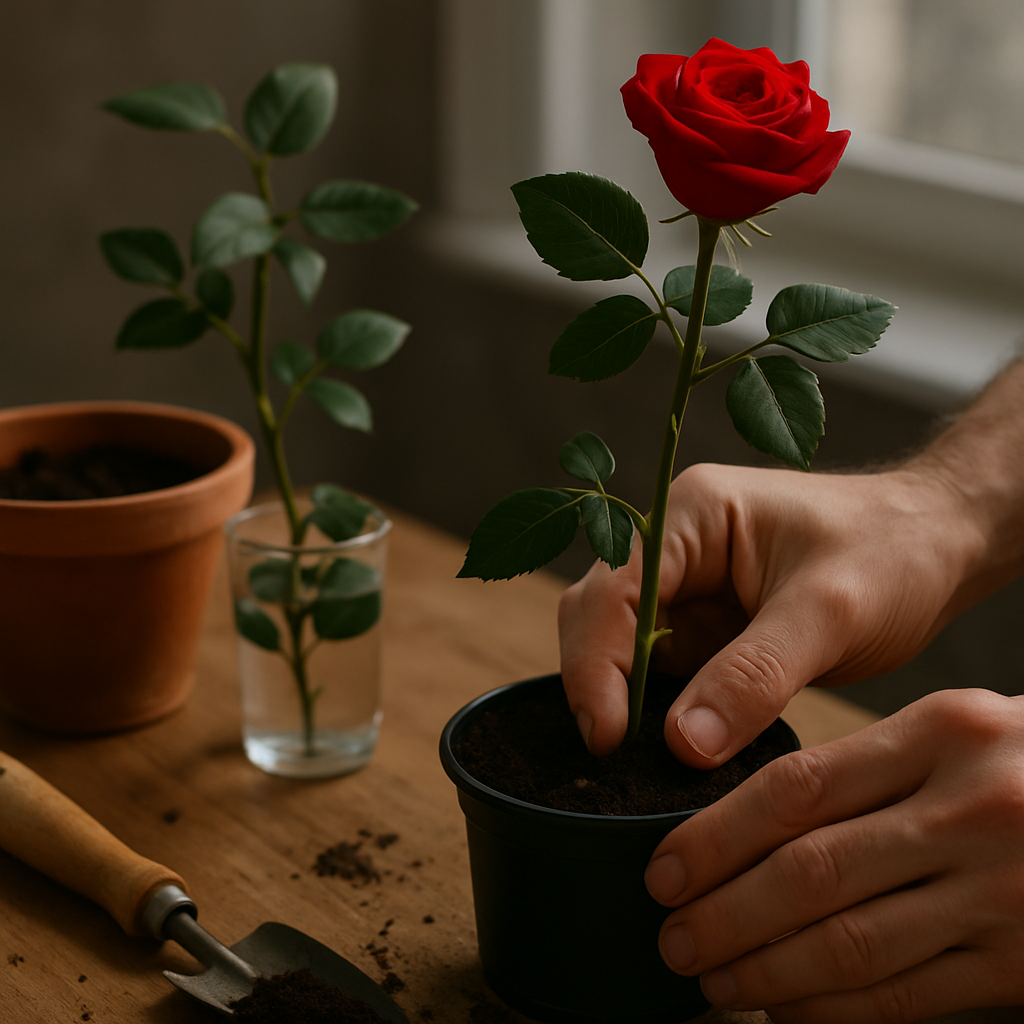
If you want to propagate roses at home, the best way is to use cuttings and nurture them indoors, where you can control moisture, temperature, and humidity for optimal root development. Starting with the right type of stem, preparing your materials, and using the ideal potting method can dramatically increase your chances of rooting success—even if you are new to gardening. This guide provides a clear, step-by-step approach to creating new rose plants from cuttings, answering the most common questions about growing roses indoors, watering, and what materials to use.
Starting with Healthy Stems: Ideal Timing and Preparation
The most successful rose propagation begins with healthy, non-flowering stems that are roughly pencil-thick and 6 to 12 inches long. Early summer through late spring is a popular period for taking cuttings, especially in regions where late freezes are common. Carefully cut each stem just below a node and immediately remove all but the top set of leaves. This helps reduce water loss and encourages the rose to direct its energy toward root formation.
Use a clean, sharp pair of pruners to ensure a smooth cut and reduce the risk of disease transfer. If transporting cuttings from another garden or location, wrap the stems in a damp paper towel and place them in a plastic bag to preserve moisture until you are ready to plant them. Always label your cuttings with the rose variety and date to keep track of your progress.
Some growers like to take longer canes and cut them down into multiple sections, each with at least three internodes. This maximizes the chances for successful rooting and increases the number of potential new plants from a single rose stem (source).
For best results, use cuttings from robust, disease-free rose plants. Avoid stems that look weak, wilted, or pest-damaged, as these can be more prone to rotting or poor root development indoors.
Optimal Growing Medium: Perlite, Soil, and Water Propagation
The choice of growing medium can greatly influence your propagation results. While traditional garden soil can harbor pathogens, many expert growers recommend using clean, previously used one-gallon pots filled only with moistened perlite. Perlite promotes excellent drainage and aeration, reducing the risk of rot for tender rose cuttings.
Although some gardeners experiment with growing roses in water or even potatoes, traditional perlite or a mixture of perlite and peat moss generally yields higher success rates. Sterilize containers and tools before planting to minimize disease problems—old bacteria can quickly spoil new cuttings.
To further encourage root growth, some people dip the cut end in rooting hormone before inserting it into the potting medium. Others opt for natural alternatives, such as honey or aloe vera, though scientific evidence for these is limited. Either way, inserting the stem about 2 to 3 inches deep and gently tamping down the medium ensures stable contact and encourages roots to sprout more quickly (source).
Here are some popular options for rooting media:
- All-perlite in a well-drained container
- Moistened peat moss and perlite mix (50:50)
- Sterile seed-starting soil blend
- Water-filled glass (for water propagation—less common but possible)
Maintaining Humidity and Moisture Indoors
Humidity control is vital when you propagate roses indoors. Without the proper environment, cuttings may wither before roots begin to grow. To maintain a humid microclimate, place a plastic bag or a clear plastic dome over your potted cuttings. Make sure the covering does not touch the leaves, as this can promote mold and fungal diseases.
Check moisture levels every day. The growing medium should remain moist but never soggy—oversaturation can lead to rot, while dryness will cause the cuttings to shrivel. Lightly spray the leaves and soil with water if they appear dry. You can also set the pots on trays filled with pebbles and a bit of water to further boost ambient humidity.
Indirect sunlight is important. Place your cuttings in a bright location—such as near a window—but avoid exposing them to harsh, direct sunlight, which could scorch delicate, rooting stems. Under these conditions, most rose stems will begin to sprout new leaves and roots within 6 to 8 weeks.
Caring for Sprouting Cuttings: Indoor Watering, Patience, and Transplanting Advice
Once your rose cuttings start to show signs of new growth, such as sprouting leaves or visible roots near drainage holes, you can slowly acclimate them to outdoor conditions. Continue watering regularly to keep the substrate consistently moist, but do not overwater—wait until the top inch of medium is just dry before watering again (YouTube demonstration).
Rooting roses indoors requires patience. Not every cutting will root, so it is wise to prepare multiple cuttings at once, expecting a few to fail during the process. Healthy roots may take 8 to 10 weeks to appear depending on the rose type, growing medium, and temperature.
Once you see solid root balls, transplant your new roses into larger pots with high-quality potting soil or directly into your garden bed. Harden them off first by exposing them to outdoor light and air for progressively longer periods each day. Keep a close eye on water needs during this transition; young roots are vulnerable to both drought and saturation.
Remember that the best way to propagate roses is often the simplest: clean materials, consistent moisture, and protection from the elements during initial root development help ensure strong, beautiful new plants.
Expert Tips for Maximizing Rooting Success
To further improve your rose propagation success indoors, try the following expert strategies:
- Always label each cutting with the specific rose name and date of cutting.
- Wound the base of the stem by gently scraping to expose some inner tissue—this stimulates root growth.
- Use rooting hormone for challenging varieties or old roses.
- Keep humidity high but also open the covering occasionally to allow airflow and prevent mold.
- Rotate containers to ensure even exposure to light and temperature.
By following these principles, you can master indoor rose propagation, turning a simple bouquet stem or prized garden plant into flourishing new roses, right from your windowsill or greenhouse.
Comments
Post a Comment