Managing Indoor Plant Size in Limited Apartment Spaces
If you live in an apartment and want to cultivate houseplants without sacrificing space, it is absolutely possible to keep your plants small and manageable. By choosing naturally compact species and using strategic care methods, you can maintain the size of your indoor plants to suit your living arrangements perfectly. The discussion on Reddit illustrates how even in small spaces, healthy houseplants can flourish without outgrowing their environment.
Many apartment dwellers select small or slow-growing species to ensure their plants stay within a desired size range. Practices like frequent pruning, root restriction, and opting for shallow or smaller pots discourage excessive growth and promote compact, bushier shapes. Understanding your chosen plant's growth habits—whether it is a leafy pothos or a resilient snake plant—helps in refining your approach and prevents surprises with oversized foliage.
Additionally, individuals in urban areas factor in the challenges of future moves, making portable, small-scale houseplants increasingly popular. Consistent maintenance paired with species selection ensures your greenery remains both beautiful and space-efficient for as long as you wish.
Optimal Species for Small-Space Gardening
When considering which plant varieties to introduce to your apartment, focus on species with a natural tendency to remain petite or those that adapt well to pruning. According to the Iowa State Extension guide, several reliable options exist:
- Snake Plant (Sansevieria)—Ideal for air quality and extremely tolerant of small pots.
- Peperomia—Multiple varieties stay compact, with thick leaves and minimal upkeep.
- ZZ Plant—Slow-growing and adaptable to varying indoor conditions.
- Ponytail Palm—Shrubby base with minimal upward growth in small pots.
- Spider Plant—While it can produce long leaves, it can be kept contained by trimming plantlets.
Most of these will thrive under moderate light, making them perfectly suited to apartment life. Species such as the snake plant not only remain manageable but actively improve indoor air quality, making them a smart and aesthetic choice for limited spaces.
For those who want slightly more unusual selections, tiny tropical houseplants like Peperomia argyreia or Haworthia also remain diminutive yet visually striking.
Strategies to Keep Houseplants Small and Healthy
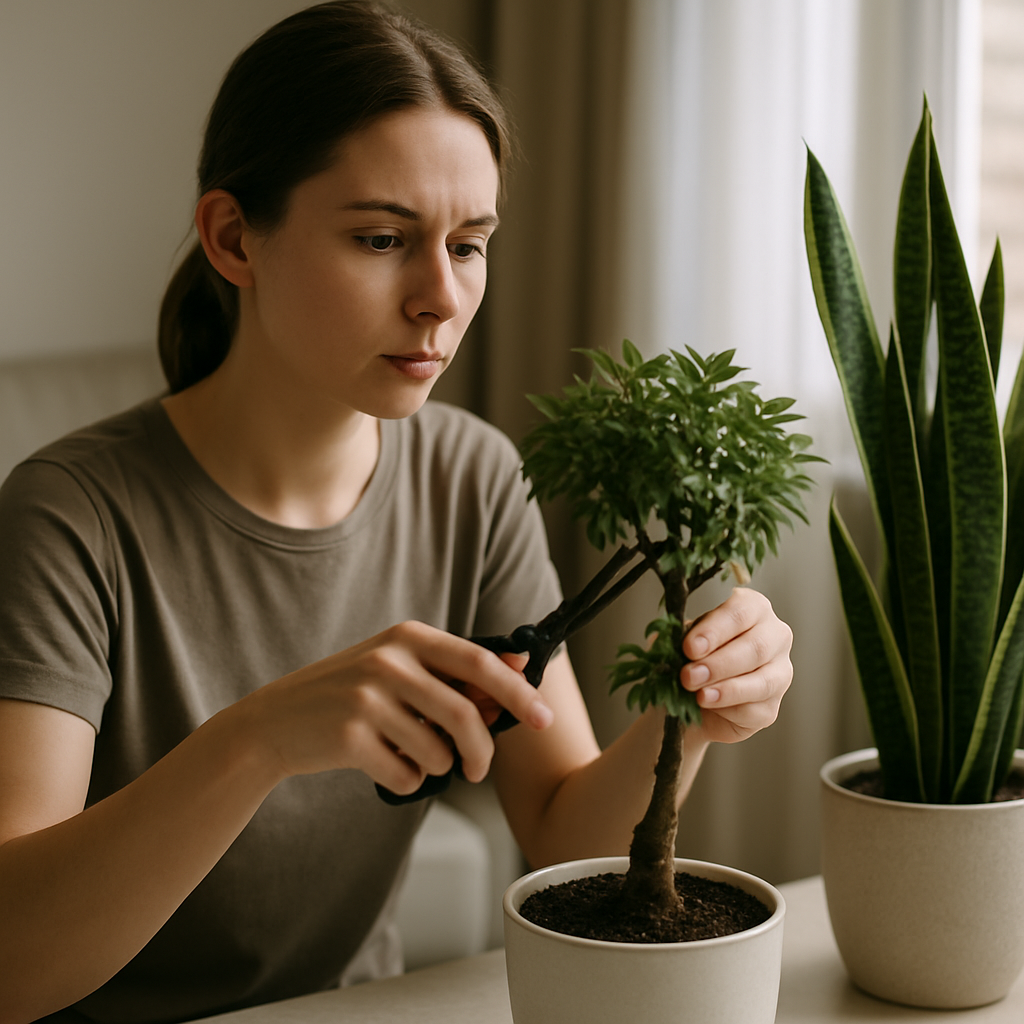
Size management centers around three key practices: pruning, pot control, and moderation of nutrients. Regularly pinching or trimming new growth—especially for plants like Peperomia—not only keeps height in check but also encourages bushy, robust foliage. It's best to use clean, sharp scissors and prune just above leaf nodes to help your houseplants maintain an attractive, compact form.
Controlling root development is equally powerful. Selecting small containers ensures the plant's roots do not expand excessively, which in turn restricts foliage growth. Repotting is only necessary occasionally; most compact houseplants thrive when slightly root-bound, though you should monitor for signs of stress like wilting or discolored leaves.
Finally, minimize extra fertilizer. Giving houseplants only modest nutrition restricts runaway growth. Use a balanced houseplant food applied at a lower-than-recommended dose or stick to seasonal feeding only.
Combining these strategies lets you shape the height, width, and density of favorites like snake plants, Pothos, or even more elaborate flowering species without crowding your living space.
Special Considerations for Woody Plants and Native Varieties
Some houseplant enthusiasts wonder if it is practical to keep woody or semi-woody plants in containers with limited growth. Woody species, such as small ficus varieties or ponytail palms, can be managed in size with the same combination of pruning and restricted root growth. Their stiffer structure may require a bit more effort—using sharper pruners and careful shaping to prevent awkward growth spurts.
When possible, select woody plants that are naturally geared for small environments or those that mimic native forms seen in firefly-friendly gardens. For those interested in ecological balance or providing habitat, consider the unique visual and functional qualities offered by native woody houseplants.
Be attentive when overwintering or bringing these plants indoors for seasonal changes, as the transition can cause stress if not handled gently. Providing stable light and carefully monitoring water needs will help maintain their controlled size and overall vigor.
Although some woody plants have prehistoric appearances or unique flower types, it is their adaptability and slow pace that make them solid choices for prolonged, compact container living.
Watering, Light, and Ongoing Maintenance for Size Control
Watering frequency is a vital part of size control. Overwatering can spur unwanted bursts of growth, while underwatering can stress your plant and lead to leaf drop. Stick to a moderate routine tailored to your specific plant type—most small foliage species (like snake plants or cyclamen) prefer soil that dries slightly between waterings. Always check soil moisture before adding more water to prevent root rot.
Lighting also influences plant size management. Brighter light can fuel growth, but for limited space, opt for bright, indirect light to encourage steady but slow development. If your apartment suffers from low natural light, consider compact grow lights, as discussed in videos on tiny houseplants that remain petite forever.
Regularly remove leggy stems and trim back runners, especially with vining or rapidly sprouting species. Keep a consistent routine, and your garden of apartment-friendly houseplants will stay vibrant, healthy, and perfectly scaled for your home.
The journey of cultivating woody and leafy plants in an apartment is both rewarding and entirely manageable with the right species and attentive care.
Comments
Post a Comment