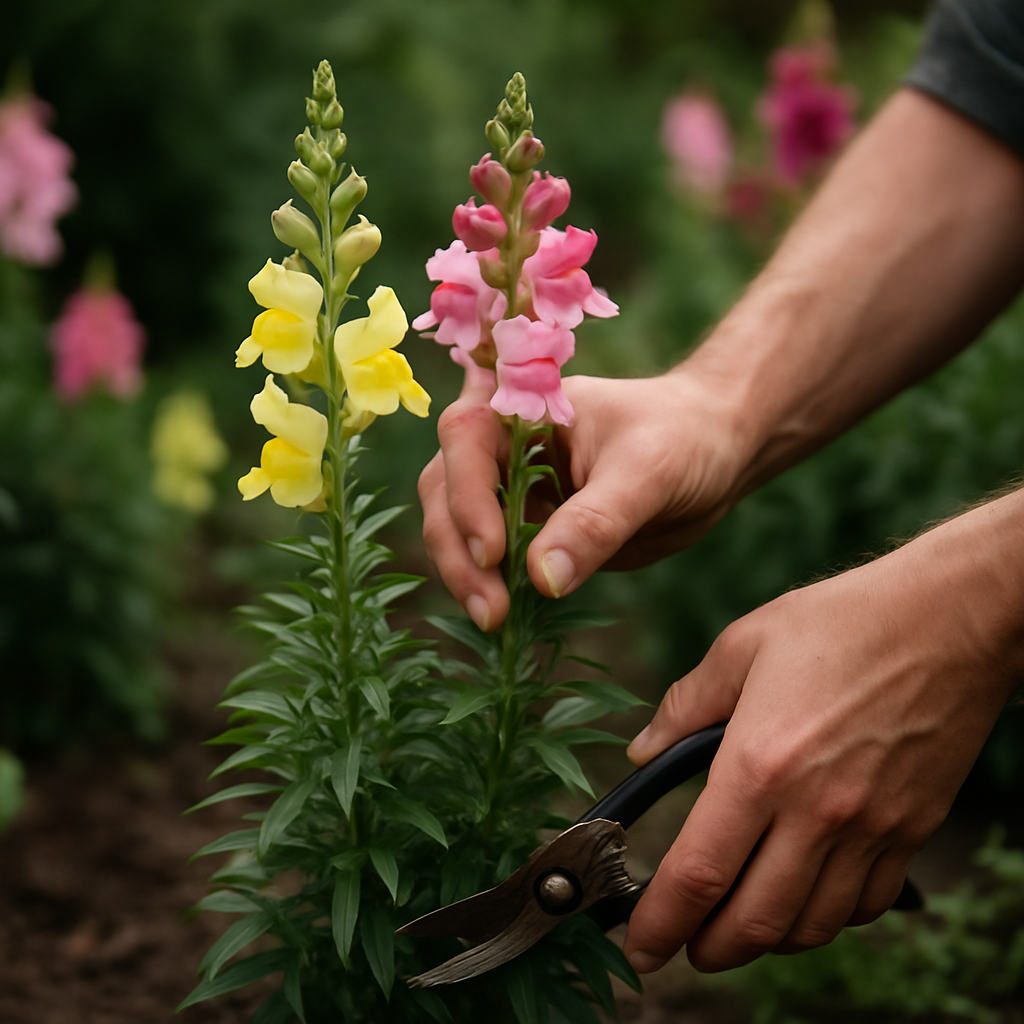
Understanding Snapdragons: Their Life Cycle Explained
Snapdragons, known for their vibrant colors and unique flower shapes, often prompt the question: are they annuals or perennials? The core answer is that snapdragons (Antirrhinum majus) are technically tender perennials, meaning they can live for several years in mild climates but are most commonly grown as annuals in regions where winters are cold. In the UK and similar climates, gardeners typically treat snapdragons as annuals, replanting them each year for the most reliable blooms.
Snapdragons thrive through a single growing season when left exposed to freezing temperatures. However, in protected spots or mild winters, some snapdragon varieties can survive as short-lived perennials, blooming again the following year. This versatile nature makes snapdragons a popular and easy care choice for various garden designs and displays.
Understanding their life cycle helps inform your gardening strategy, whether you are planting snapdragons as seasonal highlights or hoping for a repeat performance from year to year. By recognizing their sensitivity to frost and willingness to self-sow under favorable conditions, you can adapt your care techniques for the best results.
Best Techniques for Growing Snapdragons in Clump-Forming Flower Beds
For gardeners aiming to create lively borders or beds with clump-forming flowers, snapdragons combine well with other herbaceous perennials like hostas and daylilies. Although snapdragons themselves do not naturally form persistent clumps over many years, they fill gaps beautifully between perennial groups and can be interplanted with clump-forming species for color and variety.
Starting snapdragons early indoors and transplanting them after frost ensures robust, bushy plants by the peak of summer. Regular deadheading encourages more blooms and can extend the flowering season, while leaving some flowers to seed at the end of autumn may result in spontaneous seedlings the next spring.
In the UK, easy care garden styles often blend snapdragons with perennials that require periodic dividing, such as those listed in this RHS perennial guide. Consider companion planting for mixed displays and keep soil well-drained to avoid crown rot in cool seasons.
Snapdragons in UK Gardens: Winter Sowing and Overwintering Tips
To achieve the longest display window, many UK gardeners start snapdragon seeds in late winter or early spring using the winter sowing technique. Sowing seeds in covered trays or greenhouses allows seedlings to establish before outdoor planting, leading to earlier flowering when temperatures rise.
For those attempting to overwinter snapdragons as perennials, success depends on variety and winter protection. In milder UK regions, mulching snapdragons and providing shelter from wind and excessive rain can improve survival odds. Some gardeners have success with well-established plants returning, especially if grown in sheltered microclimates near walls or in well-drained, raised beds.
Cutting back faded stems and removing weak growth in autumn reduces the risk of disease and increases the chances of successful overwintering. If you prefer guaranteed results each year, treat snapdragons as annuals and replant with fresh, vigorous plants at the start of every new season.
Combining snapdragons and perennials that are known for clump forming, such as blue moon farm varieties or hardy grasses, offers year-round structure with a burst of annual color. For more perennial care tips related to division, see this guide by Gardeners' World.
Clump-Forming Strategies: Pairing Snapdragons With Long-Lived Perennials
If your goal is a flower bed with lasting impact, pair snapdragons with perennial companions that multiply through division. Perennials such as hostas, daylilies, and black-eyed Susans establish dense clumps that anchor garden beds through the seasons and provide a stable framework for planting annual snapdragons in between.
Dividing clump-forming perennials every few years revitalizes their growth, prevents overcrowding, and maintains attractive displays. This method is detailed in the RHS advice on perennial division. Although you do not divide snapdragons in the same way, their ease of replanting and self-seeding habits means you can quickly refresh and adapt planting schemes each year.
Sow annual snapdragons directly among divided perennial clumps or in spaces where previous clumps have been thinned. This succession planting ensures that your garden beds are always filled with healthy, flowering material regardless of the season.
Clump forming strategies are especially rewarding in UK conditions, where a mix of hardy perennials and annual snapdragons offers resilience, continual blooms, and an easy care approach that simplifies garden maintenance across seasons.
Finally, remember that thoughtful pairing and rotation of snapdragons and other perennials leads to gardens that thrive with minimal input, blending annual bursts of color with the dependability of clump-forming UK favorites.
Comments
Post a Comment