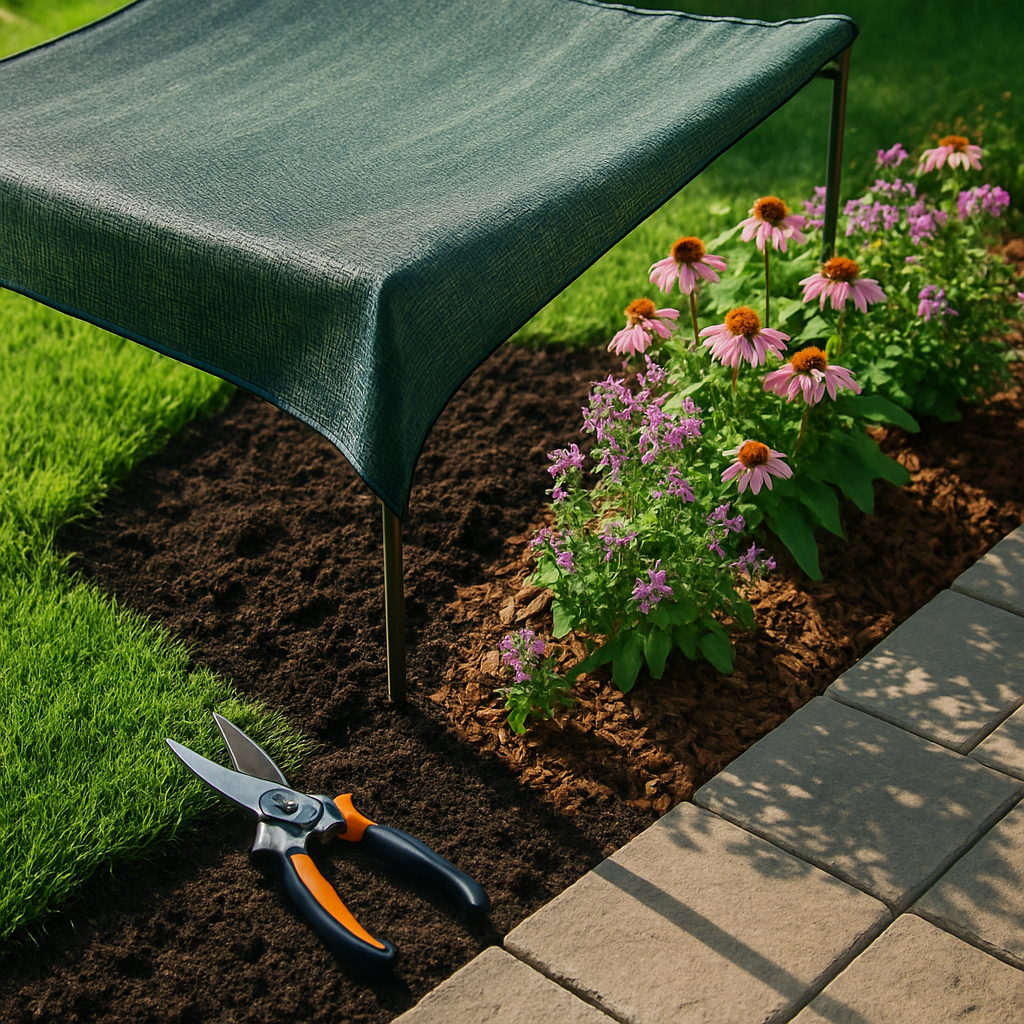
Understanding the Immediate Benefits for Greenhouses and Gardens
Shade cloth is an essential tool for gardeners, greenhouse operators, and anyone looking to protect plants from excessive sunlight and heat. The most immediate benefit of using shade cloth is its ability to filter solar radiation, providing your plants with just the right balance of light and shade. This control reduces plant stress, conserves water, and helps maintain optimal growing temperatures. By selecting the right percentage and quality of fabric, such as the options available at Farm Plastic Supply, you can ensure your plants thrive in a controlled environment throughout the year.
Types of Shade Cloth: Comparing Fabric Options and Applications
There are several types of shade cloth to choose from, each tailored to specific needs and climates. Traditional woven shade cloth offers durability and is ideal for greenhouses and hoop houses, providing reliable coverage that stands up to repeated use and outdoor exposure. Knitted fabrics, on the other hand, are more flexible and less likely to unravel when cut, making them popular for custom garden canopies and small garden structures. For industrial or commercial applications, heavier-duty fabrics with reinforced grommets avoid tearing under higher tension.
Specialty options such as Aluminet use reflective coatings to reduce temperatures by up to 8–15 degrees Fahrenheit, a significant advantage during hot summer months (source). Farmers and gardeners can select shade cloth by percentage (such as 30%, 40%, or 50%) to achieve the optimal light diffusion needed for different plant species and local climate conditions.
Color also impacts performance. Black and green shade cloths are common for blocking different levels of sunlight, while white fabrics or Aluminet styles are often chosen to maximize light reflection and reduce heat buildup. Understanding these options helps users match their unique gardening or greenhouse requirements to the right fabric choice.
Installation methods also vary. Many prefer retractable systems for patios or greenhouses to adapt to changing weather, while others opt for fixed panels installed with robust grommets that withstand years of sunlight and wind. Proper installation is crucial—excess tension or rubbing against rough supports can shorten the lifespan of your shade cloth.
Both residential and commercial users will find that prioritizing quality construction in their shade cloth ensures durability, minimizes maintenance, and delivers long-lasting plant protection throughout multiple seasons.
Key Functions: UV Protection, Water Conservation, and Climate Moderation
One of the central functions of shade cloth is the protection it provides from harmful ultraviolet rays. By filtering excess solar energy, the fabric prevents plant leaves from scorching and reduces the risk of sunburn on stems and fruit. This helps maintain healthy growth patterns, especially for delicate seedlings or sun-sensitive plant species.
In greenhouses and garden beds, shade cloth also improves water retention by moderating soil temperatures and reducing rapid evaporation. This means less frequent watering is needed, which both conserves water and supports sustainable gardening practices (learn more).
Temperature regulation is another important benefit, as covered areas remain several degrees cooler during the day while maintaining stable temperatures at night. This consistency supports vigorous plant growth and can lead to better yield and crop quality, regardless of whether you are growing vegetables, flowers, or ornamental plants.
Choosing the Right Shade Percentage and Sourcing Quality Shade Cloth
The choice of shade cloth percentage directly affects plant health. Lower percentages, such as 30% or 40%, allow more sunlight and are best for sun-loving plants or mild climates. Mid-range options, like 50%, offer balanced protection and suit mixed gardens or moderate sun exposure. For hot climates and delicate shade plants, higher percentages block excessive light and keep plant stress at bay.
Quality matters as much as percentage. Look for products with reinforced edges, strong stitching, and durable grommets to ensure a secure installation even in windy conditions. American-made and well-manufactured options, such as those at Farm Plastic Supply, offer longevity and reliability.
Customization is also possible—many suppliers can cut shade cloth to fit specific row lengths, hoop house dimensions, or patio canopies. This ensures maximum coverage without waste or awkward overlaps, further protecting your investment and the wellbeing of your plants.
For those seeking the best outdoor or greenhouse solution, researching user reviews and consulting with reputable suppliers ensures you are getting an effective, long-lasting product that will perform under real-world growing conditions.
Practical Tips for Installation and Maintenance of Outdoor and Greenhouse Fabrics
Proper installation ensures your shade cloth remains effective and extends its lifespan. Always anchor fabrics using the supplied grommets, matching tension to the fabric's recommendations to avoid tearing or stretching. Avoid using sharp-edged supports or excessive tension, as these can damage the cloth and invalidate warranties. For garden or patio use, consider installing the cloth high enough to promote good airflow while blocking excess sunlight.
Regular maintenance includes checking for wear around the anchor points and cleaning the fabric as needed to remove dust or debris. Shade cloth is typically low-maintenance, but prompt repairs of minor tears can prevent larger issues. Avoid hanging or installing the cloth on abrasive materials that could wear down the fibers with time (installation tips).
During off-seasons, store any removable panels in a clean, dry location away from rodents or direct sunlight, which can degrade materials not in active use. For fixed installations, annual inspections help identify and address minor concerns before they grow into larger problems.
With thoughtful installation, maintenance, and the right product selection, shade cloth remains a reliable, adaptable, and cost-effective solution for protecting your plants in gardens, greenhouses, and outdoor settings.
Comments
Post a Comment