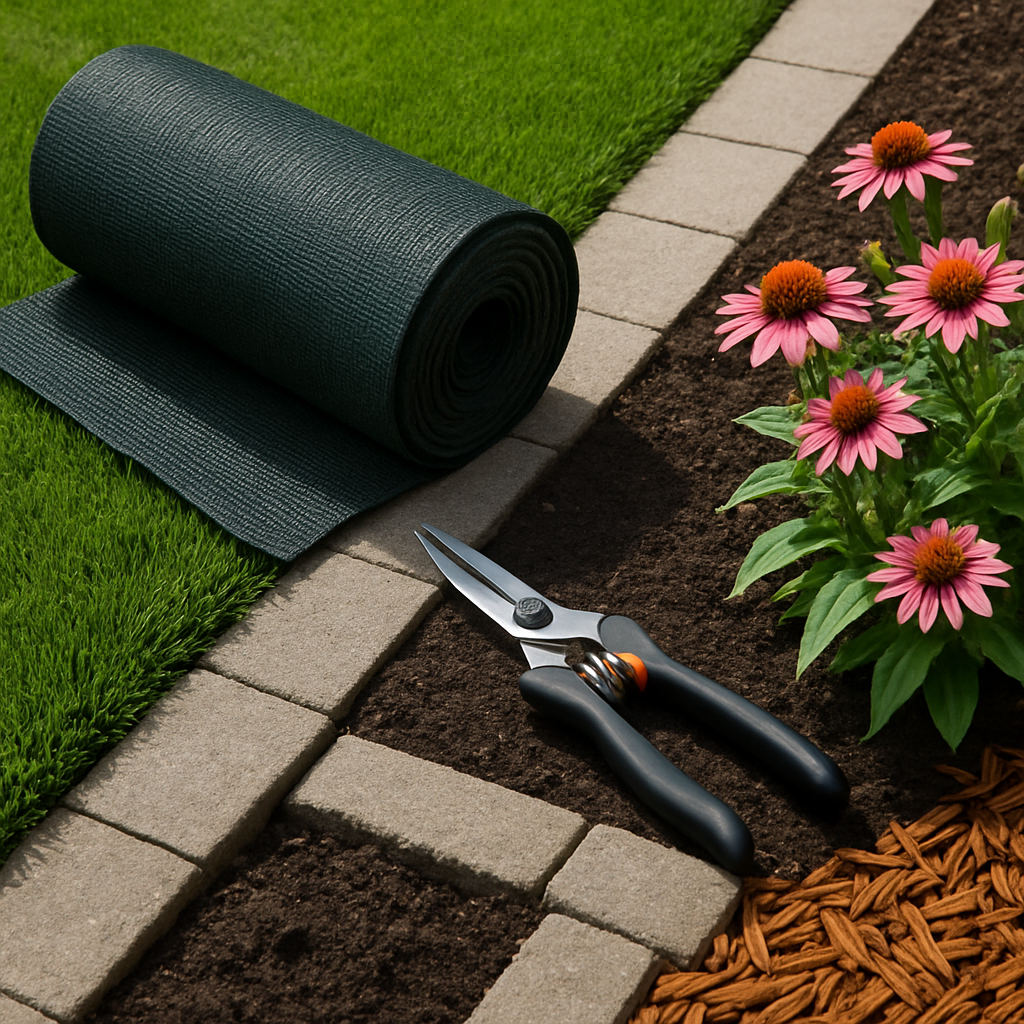
If you want to protect your plants from harsh sun, regulate your greenhouse temperature, and achieve optimum growth, shade cloth is the solution. Shade cloth provides a controlled balance of sunlight and shade, ensuring plants receive the UV protection, ventilation, and light levels they need. Whether you are growing in a greenhouse, garden, or outdoor patio, understanding the right percentage and application of shade fabric can make a significant difference.
Choosing the Right Light Diffusion Percentage
Selecting the best shade cloth percentage is essential, as it determines how much sunlight reaches your plants. Shading percentages typically range from 30% to 50%, catering to different plant types and climate conditions. For delicate plants like orchids or ferns, a higher percentage (around 50%) ensures gentle light and increased protection from scorching rays. In contrast, sun-tolerant vegetables such as tomatoes or peppers may thrive with a 30% or 40% shade cloth, maintaining robust growth with fewer risks of sunburn.
The required shading factor also depends on your local climate. In hotter regions, a higher shade percentage (up to 50%) may be beneficial during peak summer, while cooler climates might only require lighter coverage. Adjusting the percentage ensures consistent greenhouse temperatures, promotes healthy foliage, and optimizes photosynthetic activity. Always match the cloth percentage to your specific crops and environment needs for optimal results.
Products like those from Farm Plastic Supply offer a wide array of percentages and colors, helping you tailor the solution for your unique situation. Their American-made, fabricated woven options excel in both strength and longevity, making them suitable for everything from hoop houses to industrial applications.
Ultimately, referencing the percentage helps you maintain a delicate balance between sun protection and plant energy requirements throughout the growing season.
Applications: Greenhouse, Garden, and Outdoor Uses
Shade cloth is ideal for multiple environments, ranging from commercial greenhouses to residential gardens and patios. In greenhouses, it is frequently draped directly over the structure's top or sidewalls, moderating interior temperatures and protecting delicate specimens from light stress. For garden beds and small-scale agricultural plots, it can be supported by hoop frames, poles, or as a retractable canopy, offering flexible coverage for diverse plant types.
Besides traditional agricultural settings, shade cloth is also popular for outdoor relaxation areas, carports, and sun patios. When installed over pergolas or patios, it provides a cool, shaded retreat that maintains visibility and ventilation. Additionally, shade fabric is commonly used as garden sails or to protect parked vehicles and outdoor furniture from solar deterioration.
If you need custom lengths or unique installations, companies like Shade Cloth Store allow you to select color, material, and size for your particular needs. Whether for a small waterproof area or a large industrial roll, shade cloth adapts easily, making it a staple in modern gardening and landscaping.
Its versatility extends to retractable systems, detachable panels, and even fencing, allowing you to create shade wherever and whenever it is needed most.
Key Benefits: Water Savings, Temperature Control, and UV Protection
One of the primary advantages of shade cloth is its ability to reduce water usage. By filtering sunlight and lowering leaf temperatures, plants lose less moisture to evaporation, so you irrigate less frequently. This not only conserves water but also supports root health, especially during prolonged spells of heat.
Temperature moderation is another critical benefit. By decreasing direct sunlight by a set percentage, shade fabric helps prevent overheating inside greenhouses or gardens, protecting tender growth and sensitive roots. Coupled with improved airflow through woven or knitted designs, it creates a comfortable environment that encourages plant resilience year-round.
UV protection is essential for both plants and gardeners. High-quality, heavy-duty fabrics like those from Farm Plastic Supply or Coolaroo include UV stabilizers that resist degradation and shield your greenery from photodamage. Choose options noted for their longevity and reinforced stitching to ensure protection over several growing seasons.
Plant sunburn, wilting, and heat stress significantly decrease with a strategically installed shade system. With reduced glare and the preservation of critical leaf moisture, both ornamental and food crops grow faster and healthier under optimal lighting conditions.
Such benefits make shade cloth an investment in both the quality and quantity of your harvest, particularly when customized to your specific outdoor or greenhouse configuration.
Installation and Maintenance Tips for Shade Fabric Longevity
Proper installation is vital to maximizing the durability and performance of your shade cloth. Always use strong grommets and reinforced edges when attaching shade fabric to buildings, frames, or poles. Stretch the material tightly to prevent sagging, but avoid excessive tension that could cause premature tearing or unraveling. Overlapping panels slightly will also minimize gaps and protect the most vulnerable areas of your plot or greenhouse.
Regularly inspect the cloth for frays, holes, or UV-induced wear. Woven options, such as those highlighted on Shade Cloth Store, can last 10-12 years with proper care, though it is important to monitor for any unraveling if damage occurs. Routine cleaning with gentle soap and water helps remove dirt and dust, keeping light diffusion even and extending the lifespan of the material. If you notice a section is worn, replace it immediately to maintain the integrity of your shade system.
Consider storing or rolling up your shade cloth during the off-season, particularly if you experience heavy snow or harsh winter winds. Retractable systems make this process much easier and allow for quick adaptation depending on immediate weather conditions. Secure all fastenings, and periodically check ties or grommets to ensure nothing gives way during unexpected storms or strong gusts.
Finding Shade Cloth: Sizing, Percentages, and Purchasing Best Practices
When searching for the right shade cloth nearby, focus on key factors such as material quality, fabric density, and precise sizing. Measure your intended area carefully—whether it is a small garden patch, a carport, or a full-scale sun patio—so you can order the optimal length and width. Many suppliers offer custom sizing, as well as pre-cut options like 20x20 or 40% shade rolls, suiting both compact and expansive setups.
Evaluate brands based on UV protection, warranty, and user reviews, prioritizing heavy-duty fabrics with strong grommets and reliable stitching. Local garden centers and greenhouse suppliers often provide installation accessories, but online sources such as Farm Plastic Supply and Shade Cloth Store typically have broader inventory and customization options.
For waterproof applications or retractable shade sails, specify those requirements before purchasing to ensure compatibility with your current setup. Installation poles, canopy kits, and roll-up hardware are commonly available and simplify the process for beginners or those seeking temporary coverage.
By prioritizing trusted suppliers and matching the product to your specific needs, you can secure lasting, functional, and visually appealing shade for your greenhouse, garden, or outdoor living space.
Shade cloth remains an indispensable resource for growers and homeowners seeking control over their growing environment and comfort outdoors.
Comments
Post a Comment