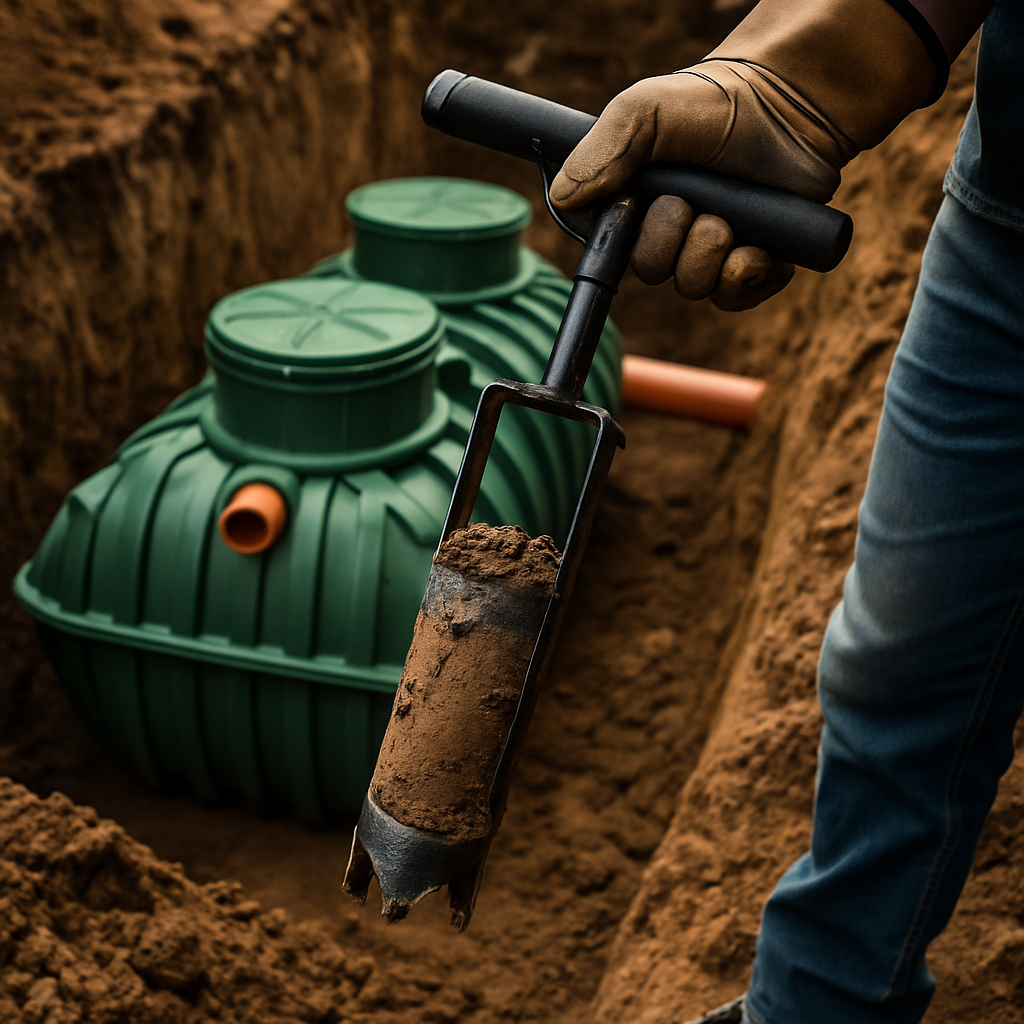
If you are considering installing a septic system in clay soil, it is essential to address issues of drainage, soil absorption, and system placement right from the start. Clay soil has tightly packed particles and low permeability, posing significant challenges for septic drainage and risking system failure. The best way to ensure your installation lasts and functions properly is to use specialized soil testing, select the right system design, and adapt proven drainage solutions for waterlogged conditions.
Understanding the Properties of Clay Soil and Septic System Absorption
Clay soil is characterized by its fine particles, high water retention, and slow drainage. These characteristics make it difficult for liquid from a septic system to be absorbed efficiently. When water cannot move through the clay, it can quickly become waterlogged, resulting in effluent pooling, foul odors, and the risk of backups inside your home.
Before installing a septic system in such challenging conditions, it is important to conduct thorough soil testing. Use a reliable test kit to determine the permeability and saturation levels of the clay. This will give you key insights into how much water the soil can absorb and the amount of field area needed for your system.
Referencing resources like these guidelines helps you understand why traditional drain fields often fail in clay and why specialized aerobic or alternative systems are frequently recommended.
Core Aeration and Soil Amendment: Solutions for Better Drainage
Improving the drainage capacity of clay soil is vital to help the septic system operate smoothly. Core aeration is a process that removes small plugs of soil to allow air and water to penetrate deeper, breaking up compaction and enhancing water movement through the soil profile. This simple improvement can boost absorption rates and reduce the risk of waterlogged fields.
Adding organic matter, such as compost, to the topsoil helps create better texture and structure. Amendments improve the soil's absorption capacity, provide nutrients for garden plants, and can even help offset clay’s tendency to retain water.
Specialized additives and recommended amendments, when combined with aeration, can significantly increase the effectiveness of a clay soil drain field and help prevent common issues like standing water and limited percolation.
Testing Drainage Capacity with Soil Test Kits and the NRCS Method
Accurate drainage testing is the foundation of successful septic system installation in clay soil. A soil test kit tailored for garden or septic system testing can reveal optimum moisture content and help determine the best amendment strategy. The Natural Resources Conservation Service (NRCS) offers classification methods to evaluate clay content and drainage class, ensuring that any decisions about the septic system installation are data-driven.
These tests clarify whether your clay has the ability to drain and absorb liquid, and what type of system (such as aerobic or sand-lined) will perform best. For properties struggling with poor drainage, EZ-drain gravel or similar systems are often used to increase absorption and move water away from problem zones.
Site Selection, Standard Slope, and Minimum Setback Considerations
Location selection is just as important as drainage improvement. Always place your septic system on a part of your property with the best possible drainage, far from waterlogged zones or areas where water naturally collects. This step helps minimize absorption issues and avoids contamination risks.
Use a standard slope to direct water movement away from the septic tank and toward the drain field. Ensure you adhere to all minimum setback regulations set by your local or state authorities. These usually specify distances from wells, property lines, and water bodies, and can dramatically affect how you approach your installation plan.
For a more detailed analysis of how to tackle these drainage and location challenges, check out advice from professional sources who discuss the real-world impact of clay soil expansion and class characteristics on septic tank stability.
Alternative Septic System Types and Solutions for Waterlogged Clay
When standard septic designs are not an option, consider installing aerobic treatment units, mound systems, or engineered drainage fields. These alternatives offer higher treatment capacity and are specifically designed for slow-draining soils. Aerobic systems use oxygen to accelerate the breakdown of waste, which reduces the dependency on soil absorption alone.
Mound systems create an elevated drain field filled with sand, gravel, and clean fill to ensure good drainage and minimal risk of backups or waterlogging. Drainage solutions like NDS EZ-Drain or similar products can be incorporated to further disperse liquid and minimize pooling.
Proper planning, soil improvement, and the right choice of septic system will go a long way to mitigate absorption problems and uphold local environmental safety standards.
By following these strategies for testing, aeration, amendment, and layout, you can install a septic system in clay soil that successfully manages water retention and meets performance expectations.
Comments
Post a Comment