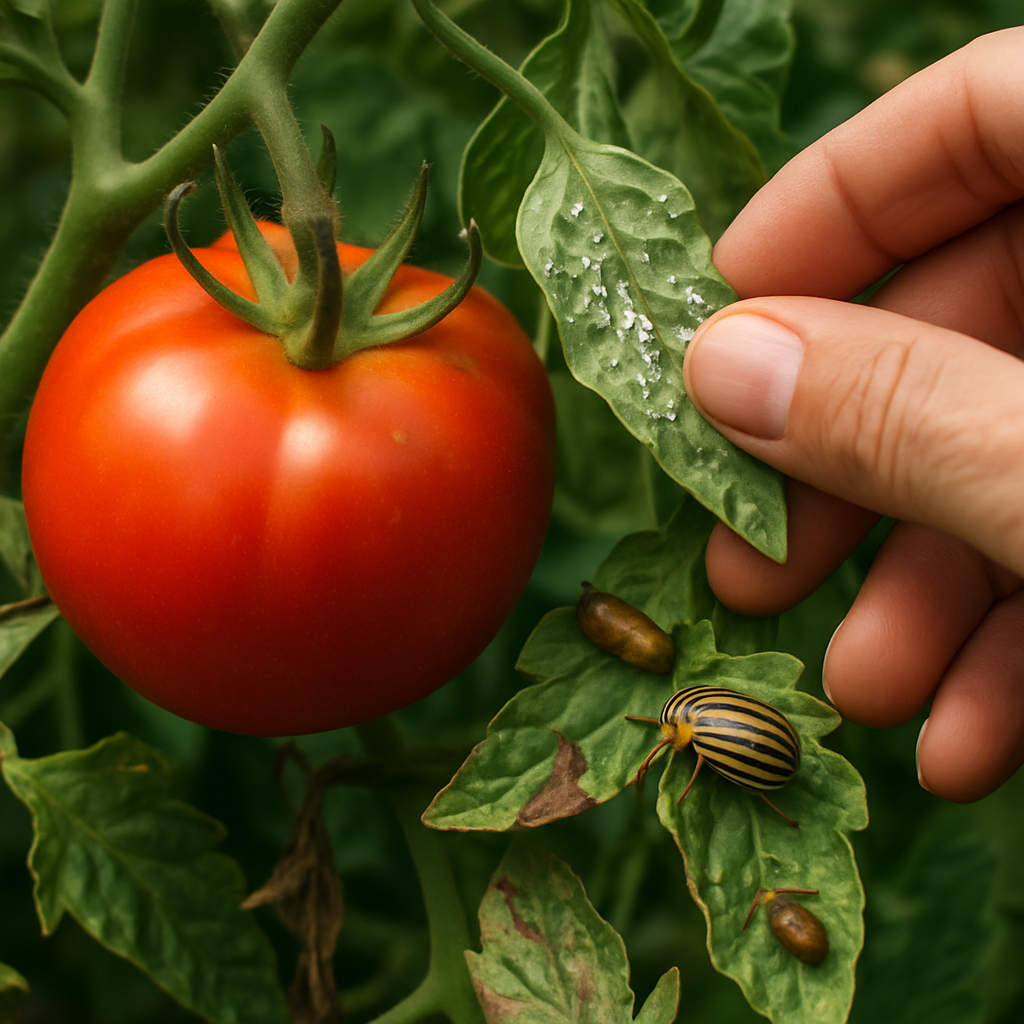
If you notice tiny, pale bugs and white flecks on your tomato plant leaves, you may be facing an aphid infestation—a frequent tomato plant pest that can quickly damage crops if left untreated. White aphids, sometimes called 'ghost' or 'woolly' aphids due to their color and the shed skins they leave behind, are soft-bodied insects that multiply rapidly and attack many garden plants, including tomatoes, kale, strawberries, and even roses. Identifying these pests early and taking quick action with reliable home remedies will protect your plants from further harm, potential yield loss, and ongoing stress.
Recognizing Aphids and Their Signs on Tomato Plants
Aphids often cluster on the undersides of leaves, on plant stems, and around tender shoot tips. They may appear white, green, black, or reddish, depending on the species. White aphids leave noticeable shed skins that resemble a dusting of white flecks on foliage and flowers. If you see sticky substances or notice your tomato leaves curling, yellowing, or developing brown holes, these may also point to an active aphid problem.
Besides the physical appearance, look for ants attracted to the sugary honeydew aphids secrete. This sticky residue can attract more pests and encourage the growth of sooty mold on your garden plants. Check surrounding crops such as strawberries, kale, and even greenhouse tomatoes, as aphids can migrate and attack various species.
Regular inspection is vital. Peer beneath the leaves and along stems, as aphids prefer concealed areas and can reproduce rapidly in these protected microclimates. Catching infestations early gives you the best chance of limiting damage and employing simple organic home remedies before the bugs heavily infest your plants.
Why Are Aphids Harmful to Tomato Plants and Other Garden Crops?
White aphids and their relatives attack tomato plants by piercing plant tissues and feeding on their sap. This weakens the plant, causes leaves to wilt or curl, and can severely stunt crop development. Young transplants and cherry tomato cultivars are especially vulnerable, but even mature plants can suffer significant loss of vigor during major infestations. Aphid feeding also transmits plant viruses, further compounding the risk to your crops.
Unlike caterpillars or beetles that cause noticeable holes, aphids often go undetected until the population explodes. Secondary problems include honeydew accumulation, which leads to black sooty mold, and attracting additional insect pests like flies or ants. Certain species, like the black aphid, may also attack nearby vegetable crops, amplifying the threat in gardens across regions like Louisiana, Georgia, and Southern California.
Controlling aphids early prevents extensive damage. Monitoring the health of your tomato plants and scouting for signs (such as tiny white specks or sticky residue) can save your entire garden from more severe beetle, cutworm, or spider mite outbreaks down the line.
If left untreated, these pests will multiply, continue eating leaves, and expose your plants to further harm, reinforcing the importance of swift detection and intervention strategies.
Natural Home Remedies for Aphid Control: Jet Water, Soapy Sprays, and Oils
You can tackle aphid problems on tomato plants using affordable and effective home remedies that do minimal harm to the crop and environment. Three primary control methods stand out for targeting soft-bodied bugs:
- Jet Water Spray: For mild to moderate infestations, use a strong jet of water from a garden hose to physically knock white aphids and their shed skins off leaves and stems. This disrupts their colonies and removes pests before they can recover or cause serious damage. Spray the underside of leaves where aphids hide, repeating every few days during an active attack (source).
- Soapy Water Solution: Mix one gallon of water with one tablespoon of pure Castile soap or 1-2 teaspoons of mild, unscented detergent. Spray directly onto the aphids, targeting clusters on leaves and stems. The soap breaks down the aphids' outer layer, causing them to die. It's important to avoid strong detergents that may hurt delicate leaves. Repeat treatment every 3-4 days for two weeks, as described by gardening experts at The Rusted Garden (source).
- Horticultural or Neem Oil: Oils smother aphids and their eggs, stopping further reproduction. Apply early in the morning or late evening to avoid leaf burn. Thoroughly coat all plant surfaces, especially the undersides of leaves and around flower clusters, to ensure maximum coverage. Oils are safe for most crop plants but test a small area first in greenhouses or high heat conditions.
For best results, rotate these methods and consistently monitor your plants. If you garden near heavily infested areas or in a region prone to aphid outbreaks—such as southern California or the humid southeast—extra vigilance is needed throughout the growing season.
Secondary Pests: Hornworms, Spider Mites, and Other Potential Threats
While aphids are a leading cause of tomato plant damage, they often signal the presence of or lead to other pest problems. Hornworms, for instance, can eat large chunks of leaves quickly and are most active during summer. Spider mites cause tiny yellow or white speckling and fine webbing, often thriving in dry, warm greenhouses or gardens.
Cutworms, flea beetles, and fruit flies are additional insect pests that may attack tomatoes as stressed plants become more susceptible. If your plants display signs like brown holes, chewed stems, or widespread yellowing beyond the soft-bodied insects, investigate further for secondary infestations.
Integrated pest management encourages removing debris, inspecting new plants, and maintaining plant health to prevent secondary outbreaks. Maintaining a diverse garden—with crops like kale, strawberries, and flowering plants—can also promote natural predators of both aphids and these major pests, improving crop resilience against future attacks.
Some gardeners may notice differences in pest populations and plant response by region, such as the aggressive cutworm species in Georgia or unique beetle pests prevalent in Louisiana and NZ. Adjust your home remedies and frequency of treatments to match your specific climatic and greenhouse conditions.
Preventing Future Aphid and Insect Pest Outbreaks in Tomato Gardens
Once you have controlled a white aphid attack, your next focus should be on prevention. Start by inspecting your tomato plants frequently and removing leaves or stems where aphids congregate. Employ mulching to discourage weeds and maintain soil moisture, which supports healthy, less-stressed plants less prone to insect attack.
Encourage beneficial insects such as ladybugs and lacewings by planting pollen- and nectar-rich crops nearby, discouraging major aphid population spikes. Crop rotation can help break pest cycles, especially when alternating tomatoes with non-hosts such as beans or root crops each season. In greenhouses, screen doors and regular cleaning prevent flying insects from accessing vulnerable plants.
Regularly aerate dense clusters and prune any branches affected by sooty mold. Keep fruit and cherry tomato plants spaced to promote airflow, which creates less favorable conditions for both aphids and spider mites. In areas with especially persistent pests or recurring infestations, consult resources like The Rusted Garden Seed & Garden Shop for safe oils and recommended home remedies (source).
By maintaining vigilant garden habits and rotating treatments, you can minimize the risk of white aphids and other insect pests ever gaining a foothold on your valuable tomato crop.
Early detection and consistent use of these proven home remedies will ensure your tomato plants remain healthy, productive, and resilient against aphids and other common garden pests.
Comments
Post a Comment