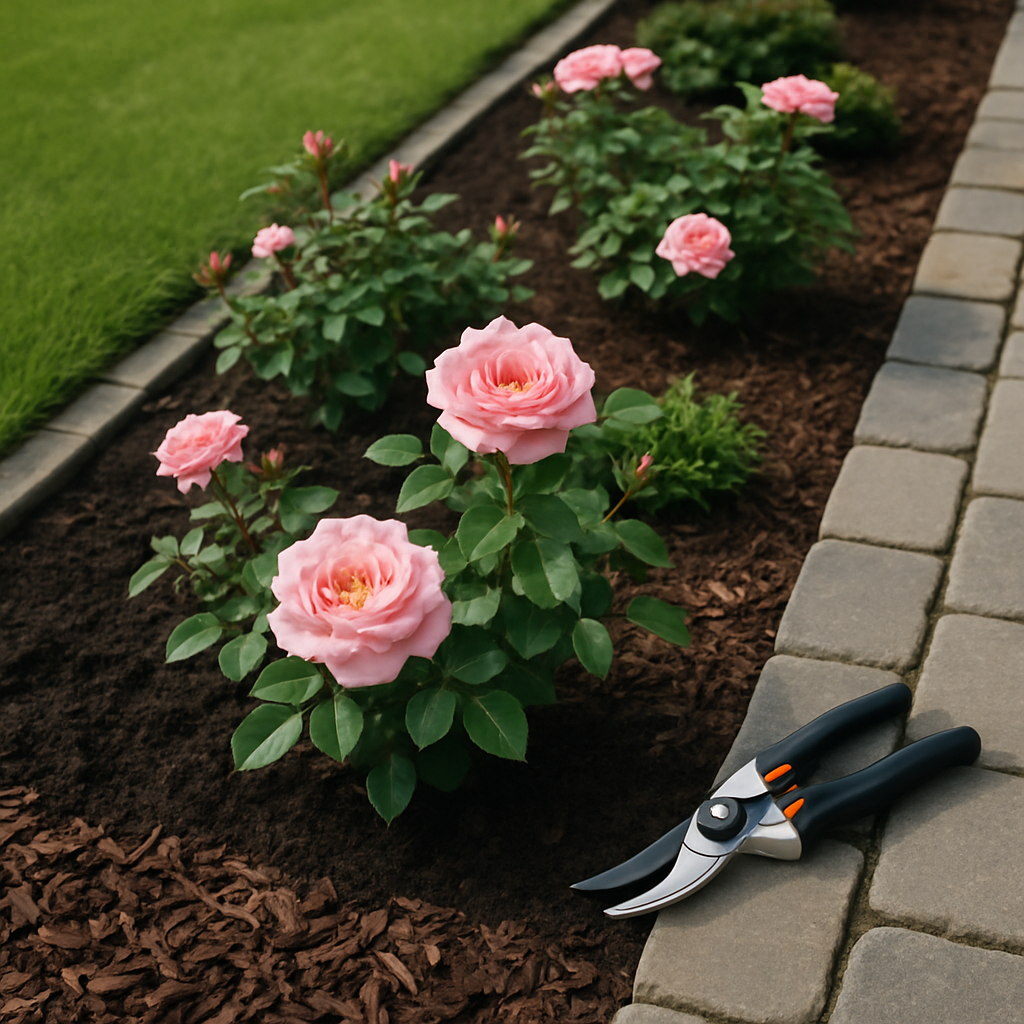
Designing a rose garden for a small yard can be rewarding and highly practical, with the right approach maximizing beauty and space efficiency. Whether you want a classic border, a modern touch, or functional layouts, you can enjoy an abundance of roses, even in limited areas. The core solution is to select suitable varieties, smart vertical structures, and focus the design on simplicity for visual harmony, as shown in many inspiring rose garden design pictures. This article reveals proven steps and creative ideas to transform your compact space into a thriving rose showcase, with tips for borders, layouts, and style choices for modern, low maintenance, or formal effects.
Choosing Small-Scale Varieties for Compact Gardens
When planning a rose garden in a smaller yard, start by selecting rose types that fit the scale of your available space. Miniature and groundcover roses thrive in confined borders, raised beds, and even containers, providing vibrant color without becoming too dominant. This selection ensures easy maintenance and a balanced appearance for the overall garden design.
Floribunda roses are another ideal choice—compact, bushy, and available in a wide color palette, they create rhythm along a slender border or within a modern, geometric yard layout. Patio roses can bring elegance to the front of house plantings or frame paths within a small area.
Lighter colors, such as whites, creams, and yellows, help open up a small space visually, making the garden feel airy and uncluttered. Focus on two or three harmonious hues to keep the overall design simple and unified, as recommended in this in-depth rose garden guide.
The right rose selection makes all the difference, so research varieties that flourish in your climate and match the size restrictions of your yard or border. Look for easy-care options if low maintenance is a priority.
Optimizing Borders and Layouts for Maximum Impact
A well-chosen layout can make a small rose garden appear larger and more cohesive. Use garden edges and narrow side yards effectively by placing roses in single-file borders or staggered drifts of the same variety. This technique, featured in front yard designs, enhances visual flow and brings a contemporary or formal touch, depending on your preference.
Repetition is key. Planting three to five of the same variety together amplifies their impact and keeps the design intentional rather than chaotic. Borders lined with low-growing roses can accentuate garden paths, walkways, or even driveways, blending structure and softness.
For modern layouts, incorporate geometric shapes, such as rectangles and squares, to define planting beds. Raised beds or planters let you control soil quality and drainage, while also offering tidy, elevated displays of color. Position taller roses at the back or along fences, while smaller forms fill the foreground for a layered look.
Experimenting with scale and repetition enhances both the appearance and functionality of the space—these methods are echoed in professional layouts found on sites like Gardenia's planting guides.
Incorporating Vertical Elements and Structural Features
Even the smallest yard can gain vertical dimension by adding trellises, arbors, or pergolas for climbing roses. These features free up valuable ground space while introducing lush blooms overhead, creating inviting entryways or privacy screens for narrow lots.
Train climbing or pillar roses to scale fences or obelisks, producing a living wall of color and fragrance. Vertical plantings make the most of every inch and prevent overcrowding at ground level—an efficient solution for tight borders beside a house or along property lines.
Consider incorporating small-scale seating, such as a bench tucked beneath an arbor, to create a room-like effect in the landscape. This not only provides a space to relax but also highlights your garden as a destination within the yard, even if the area is compact.
Simple hardscaping elements, like low retaining walls or decorative edging, offer clean lines that complement modern rose gardens, while more ornate features help define formal layouts.
Structures serve both functional and aesthetic purposes, supporting plants, guiding traffic, and adding vertical interest to rose garden design pictures for small spaces.
Low Maintenance approaches for Modern and Small Gardens
One of the keys to a successful small rose garden is designing for easy care. Select disease-resistant varieties that do not require frequent spraying or deadheading, which is particularly useful for busy gardeners or those seeking low maintenance beauty.
Group roses with similar water and sun requirements together to simplify irrigation and general upkeep. Adding mulch helps retain moisture, reduces weeds, and keeps roots cool, all while lending a finished look to raised beds and borders.
Keep designs uncluttered by limiting the number of rose varieties and interplanting them with compatible perennials or small shrubs. Avoid crowding by allowing adequate airflow between each plant, which reduces the risk of disease outbreaks.
Inspirational Small Garden Pictures and Real-life Ideas
Take inspiration from rose garden design images and real-life layouts to spark creativity for your own outdoor space. Observe how others optimize small spaces with layered plantings, consistent color schemes, and careful structural placement. Social media platforms and curated garden sites offer galleries of formal, modern, and cottage-style layouts to fuel your plans. Study before-and-after photos to see how design choices impact not only aesthetics but overall usability and ease of maintenance.
The most effective rose gardens combine practical layout solutions with artistic style, allowing you to make a big impression regardless of yard size. With thoughtful planning, even a modest border or a single climbing rose can bring beauty, organization, and a welcoming atmosphere to any outdoor space.
By selecting appropriate varieties, employing smart structural features, and studying inspiring examples, you can master rose garden design for small yards—and enjoy a thriving, low maintenance floral retreat for years to come.
Comments
Post a Comment