Mulch in Vegetable Gardens: How to Choose and Use the Best Organic Mulch for Healthy Beds and Pathways
What Is Mulch, and Why Should You Use It in Vegetable Gardens?
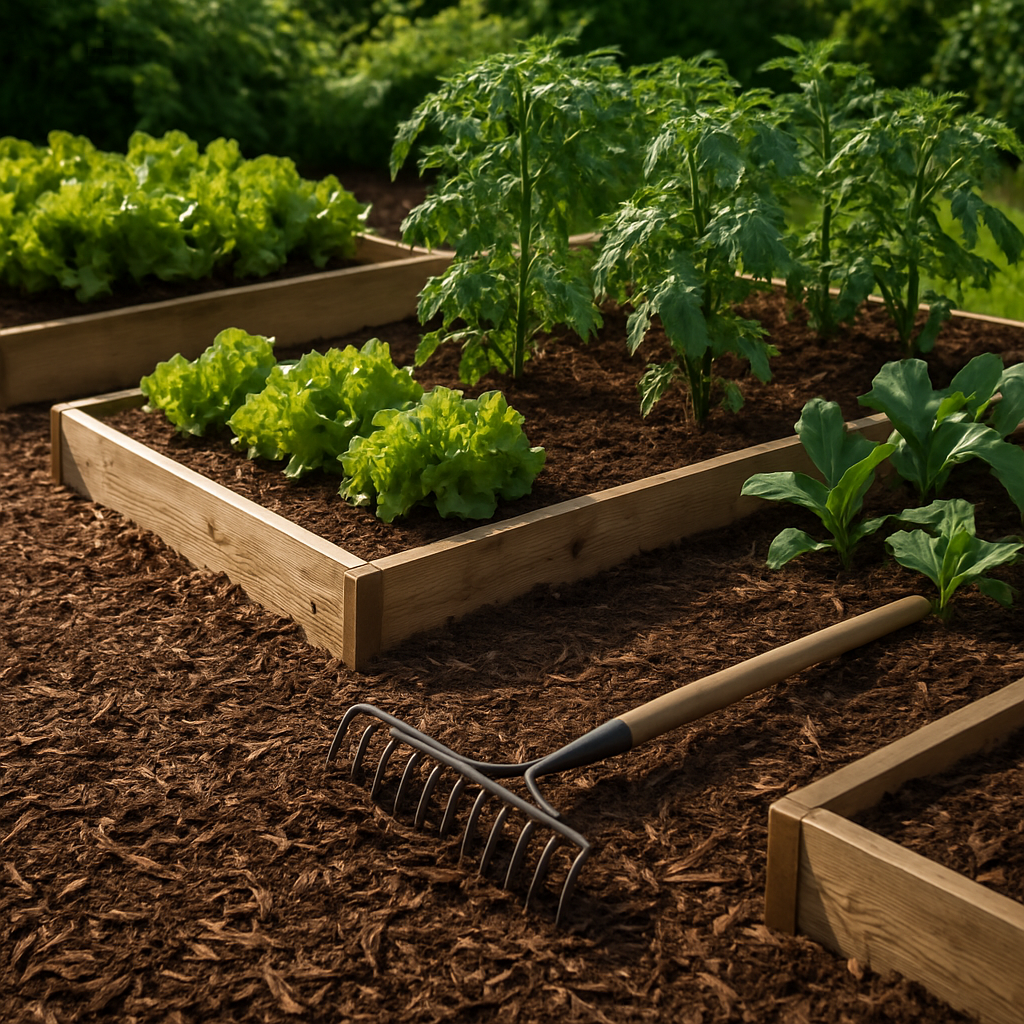
If you want to create a healthier vegetable garden while keeping weeds at bay and conserving moisture, mulch is an indispensable tool. Mulch refers to any organic or natural material—like straw, wood chips, shredded bark, grass clippings, or leaves—spread over garden soil or pathways. By choosing the best mulch for vegetable beds and walkways, you help suppress weed growth, maintain even soil temperature, prevent erosion, and steady moisture levels for your crops. Whether you garden in raised beds, directly in the ground, or maintain tidy pathways, understanding how and when to use mulch sets your garden up for success. (Source: Brooklyn Botanic Garden)
The Best Organic Mulch Options for Vegetable Gardens and Pathways
Organic mulch is a favorite among experienced gardeners due to its dual benefit of suppressing weeds and gradually enriching the soil as it breaks down. Common choices include straw, pine needles, shredded wood chips, hardwood chip, compost, and even grass clippings. Each of these materials serves a slightly different purpose—straw is a classic for vegetables, keeping fruiting crops like tomatoes and strawberries clean and dry, while wood chip or bark mulch is a standout for pathways, helping prevent muddy patches and walking compaction.
For those seeking practical advice, community discussions such as the "best bagged mulch for vegetable garden reddit" threads consistently praise straw and wood mulch for their ease of use and weed control. Straw and hay are especially valued in vegetable beds for their easy application and quick breakdown, though wheat straw is generally preferred over hay since it contains fewer lingering weed seeds. Hardwood chip and bark mulch, on the other hand, are ideal for garden paths—offering durable weed suppression while making walkways more pleasant to navigate.
For pathways and walkways threading through your plots, pine needles and shredded bark are excellent. They form a tidy, natural-looking surface, deterring weeds and reducing mud. Wood chips also do well on paths or around perennial borders, particularly if sourced from untreated hardwood. Remember, always opt for organic, natural mulches—rubber or dyed mulches can look appealing but are not ideal for vegetable gardens or edible landscapes.
When and How Should You Apply Mulch in Your Garden Beds?
Timing your mulch application can impact both plant health and weed control. According to guidance from the Brooklyn Botanic Garden, it’s ideal to wait until the soil has warmed in spring before adding mulch on vegetable beds. Putting mulch down too early, especially on wet ground, can slow soil warming and affect seed germination. If your schedule only allows you to mulch in winter or late summer, that's acceptable—just be aware that mulch applied in the off-season may not maximize weed prevention or soil temperature regulation for upcoming plantings.
For newly established beds or during late sowing of annuals, mulch can be laid down as soon as seedlings are established and the soil is no longer cold and wet. A layer of 2 to 4 inches is recommended, as supported by experts at Luxury Landscape. This thickness is sufficient to prevent weeds and retain soil moisture without suffocating plant roots.
When preparing a new flower bed, it's often tempting to spread mulch directly over old grass or weeds. Always clear the ground or place a barrier (such as cardboard) under your mulch to avoid future weed issues. If mulching around seeds or small seedlings, keep mulch pulled back from the base so emerging plants can breathe and grow freely.
Practical Mulching Strategies: Walkways, Paths, and Potted Plants
Mulching isn’t just about vegetable beds—creating organic paths and walkways helps keep your garden accessible and reduces time spent weeding or repairing compacted soil. For garden paths, lay down a 3–4 inch layer of wood chip or bark mulch over landscape fabric or cardboard. This setup forms an effective barrier, making it easier to maintain clean, firm routes even during wet weather.
If you're curious about unique solutions, some gardeners experiment with leaf mold, compost, or even untreated wheat straw to create soft, slightly springy pathways. These break down over time, enriching the soil beneath and making it easy to replace or top up each season. The natural approach is ideal for pathways where children or pets frequently walk, ensuring safety without harsh chemicals.
Potted plants also benefit from mulching on the top layer of soil. Organic mulches like shredded bark, pine needles, or compost moderate water evaporation, especially in summer. This helps keep soil temperatures even, reduces the risk of weeds invading pots, and improves root health for container-grown vegetables or flowers.
Choosing Between Different Types of Mulch: What Works Where?
Every garden has its own needs, so selecting the "best mulch for your vegetable garden" depends largely on your location, soil type, and crops. For vegetables and annual flowers, straw and grass clippings are favorites—they break down quickly, add organic matter, and are easy to spread. In regions where pine is common, pine straw or pine needle mulch is both abundant and acidic, benefitting crops like blueberries or pathways through shade gardens.
Wood chips and shredded bark (including tea tree bark, cypress, cedar, and hardwood chip blends) last longer than straw and help create walkways or mulched paths that don’t need frequent renewal. Be aware of using black-dyed mulch, especially in warm climates, as it can raise soil temperatures too much for tender vegetables. Natural and undyed options are a safer bet for edible plantings.
For those looking for specific recommendations, keep an eye on brands rated for safety and free from contaminants. When buying in bulk or bagged form from places like "Home Depot" or local garden centers, confirm you’re getting untreated, naturally-sourced materials. Community insight, such as "best bagged mulch for vegetable garden reddit," is invaluable for real-world brand advice.
Mulching Tips: How to Lay, Maintain, and Water Through Mulch
Proper mulching technique starts with weed removal from your beds and paths. Apply a uniform layer of organic mulch—straw, wood chip, or pine needle—avoiding direct contact with plant stems or crowns to reduce rot risks. Remember that mulched beds still need regular watering, especially just after laying a new layer. Water can pass through straw, pine needle, and shredded bark without trouble, but check the moisture underneath to avoid dry spots.
- Refresher layers: Mulch gradually decomposes, improving soil structure. Add a fresh layer each season if the mulch becomes sparse or patchy; this maintains weed suppression and moisture conservation for your vegetables and pathways.
- What happens if you spread mulch too thickly? Thick layers can sometimes compact, potentially blocking water from reaching roots and suffocating emerging seedlings. Stick to the recommended 2-4 inches, and gently fluff occasionally if you notice matting or water pooling on top.
One perennial question: Should mulch go on wet ground? It’s best to wait for beds to dry after heavy rain, but as long as soil isn’t waterlogged, you can mulch as planned. Applying mulch after watering or rain locks in soil moisture, which is especially helpful before hot, dry weather. This strategy benefits both in-ground beds and flower or vegetable pathways, helping to keep soil conditions optimal for healthy growth (source).
Long-Term Mulch Management for Better Soil and Fewer Weeds
Mulching is not a one-time task; making it part of your seasonal gardening routine means better soil and fewer weeds over time. As your straw, wood chips, pine needles, or grass clippings break down, they feed the soil microbes that power healthy vegetable crops. Each year, plan to top up garden beds and pathways with fresh organic mulch, focusing on areas where weeds are an ongoing challenge or where moisture loss is rapid.
Mulch supports safe, natural weed control, minimizes erosion, and gradually transforms tired dirt into richer, living soil. Consistency is key: a well-mulched flower bed or vegetable plot can resist weed invasion for months, saving you countless hours of maintenance and improving crop harvests. This approach is supported again and again by professional and home gardeners alike, as well as by comprehensive resources like the Brooklyn Botanic Garden's advice column.
The right organic mulch—applied at the right time and in the right place—will keep your vegetable beds, walkways, and flower borders thriving year after year.
Comments
Post a Comment