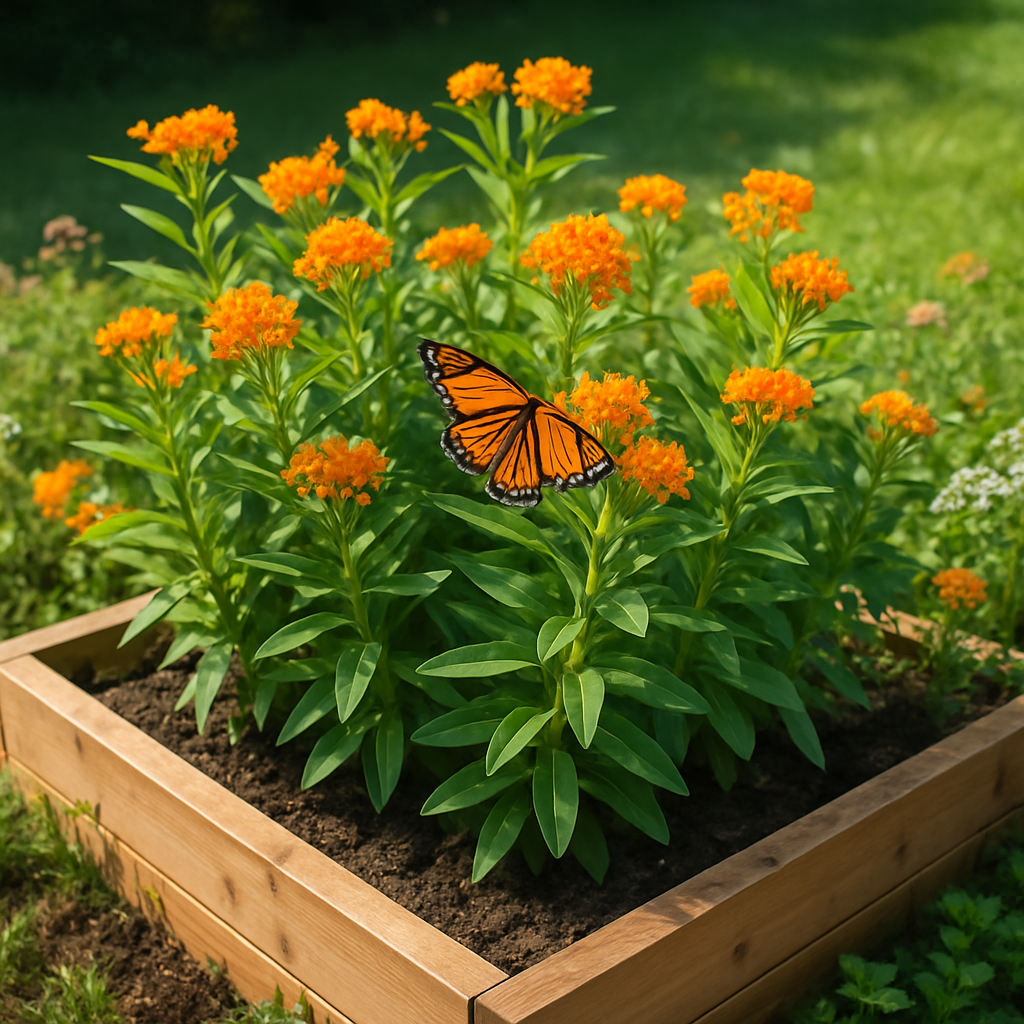
Why Your Monarch Waystation Garden Matters for Butterfly Conservation in 2024
The fastest way to help monarch butterflies avoid extinction is to create and maintain thriving monarch waystation gardens—habitats rich in milkweed and nectar sources the species relies upon for survival. With monarch populations declining due to habitat destruction, climate change, and widespread use of insecticides, every action—large or small—counts. By establishing a waystation, you directly address the monarch butterfly's endangered status while promoting ecosystem health in your own community. Read on to discover structured guidance, strategies, and the deep ecological benefits behind maintaining a monarch butterfly habitat, plus how your own conservation efforts tie into larger networks and conservation programs worldwide.
Milkweed: The Foundation of Monarch Waystation Habitat and Population Recovery
The milkweed plant is the single most important food source for monarch caterpillars. Without native milkweeds, monarchs cannot reproduce, as their larvae eat only these plants. Milkweed species native to your region should be prioritized when planning any restoration project or garden habitat. By introducing the correct milkweed species, you provide a reliable, sustainable home for monarch eggs and caterpillars, forming a vital link in their life cycle and migration patterns.
Monarchs lay their eggs exclusively on these plants, which makes having a milkweed-rich garden essential for population stability and growth. Whether you manage a home garden, schoolyard, or a larger restoration site, locally adapted milkweed is key. Its presence attracts adult butterflies, encourages local egg-laying, and increases your garden’s ecological value dramatically compared to generic, non-native plants.
Management does not end with planting. Milkweed stands should be monitored for overcrowding, invasive species, and moisture stress. Thinning, mulching, and regular weeding ensure a habitat that remains attractive and safe from predators and the effects of climate change. Consistent care maximizes the chance that your plot will support multiple generations of monarchs throughout the migration season.
Nectar Sources: Sustain Monarch Adult Populations and Improve Habitat Diversity
While milkweed is required for monarch reproduction, adult butterflies rely on a continuous supply of nectar from a range of native flowers. A carefully selected mix of annuals, perennials, and biennials helps provide nectar during every stage of the monarch migration and breeding cycle. Flowering plants such as asters, goldenrod, and coneflowers support not just monarchs but a broad spectrum of pollinators, reinforcing the overall resilience and productivity of your garden.
Native nectar plants should be staggered to bloom across spring, summer, and fall, ensuring monarch butterflies and their allies never go without food resources. These plantings offer vital energy reserves needed for migration, reproduction, and predator evasion. Without sufficient nectar sources, even lush stands of milkweed fail to provide a comprehensive sanctuary for butterflies and other beneficial insects.
Regular garden maintenance—like deadheading spent blooms and removing aggressive non-native invaders—maximizes flower output and value for foraging butterflies. Avoiding pesticides, which can harm both target and non-target species, is another practical step toward building a living habitat resistant to outside threats and changing climate patterns.
Certifying and Registering Your Monarch Waystation: Join a Global Conservation Effort
Once your garden meets habitat criteria—adequate milkweed, diverse nectar plants, and sustainable management practices—you can register as an official Monarch Waystation with Monarch Watch. Certification not only demonstrates your commitment to monarch conservation but also joins your project to a global network, contributing valuable population and location data that informs future species recovery strategies.
Your waystation becomes part of the public Monarch Waystation Registry, which is maintained as an interactive, global map, inspiring other individuals and organizations to create similar habitats. Official registration also comes with signage and a certificate, helping educate your neighbors and visitors about butterfly conservation, species protection, and ongoing endangered species efforts (visit Monarch Watch for details).
These public displays make your involvement visible, spark conversations about why monarch butterflies need help, and encourage broader local participation. More registered sites translate directly into better migration corridors and refuges, increasing the resilience of monarch populations against extinction pressures tied to climate change and habitat destruction.
Tackling Habitat Destruction and Climate Change Through Local Action
Monarch butterfly populations have declined dramatically due to habitat destruction, especially the widespread reduction of milkweed from roadsides and agricultural fields. As climate change alters growing seasons and weather patterns, creating distributed, connected garden waystations becomes ever more urgent for species survival. Local gardens act as stepping stones for migrating monarchs by providing patches of safety in a fragmented landscape, directly addressing the threats posed by human activity and environmental instability.
Schools, businesses, and community parks offer creative opportunities for habitat restoration—whether through butterfly gardens, pollinator meadows, or restoration projects on unused lots. Each type of project helps buffer monarchs and other pollinators against ongoing losses. These actions also inform the public, deepening understanding of the relationship between species extinction risk and simple land management decisions.
Monarch-friendly plantings at home or in neighborhoods engage people of every age in conservation and hands-on environmental education. Community events, citizen science programs, and partnerships with conservation organizations leverage collective effort, scaling impact well beyond a single garden (see more at Monarch Joint Venture).
Measuring the Benefits: Programs, Jobs, Learning, and Further Conservation Initiatives
The creation and maintenance of monarch waystations bring diverse, far-reaching benefits. Directly, these gardens support the butterfly’s complex migration, breeding, and overwintering behaviors, which are critical for survival. Indirectly, waystations benefit other threatened pollinator species, increase urban biodiversity, and create habitat corridors for beneficial insects and birds, contributing to the broader fight against extinction in fragmented environments.
- Education and Outreach: Schools and educators use monarch gardens for project-based learning, offering hands-on lessons on habitat needs, lifecycle biology, and conservation. These activities excite students about science while instilling a sense of environmental stewardship, and engage families and communities to join broader species protection efforts.
- Local Jobs and Conservation Fields: Nurseries, landscapers, and habitat restoration crews gain meaningful work propagating native plants, conducting project maintenance, or supporting certification requirements. Conservation groups and government agencies run programs to fund habitat restoration, increase awareness, and mobilize volunteers to scale monarch-friendly practices nationwide.
- Ongoing Research and Monitoring: Certification programs like Monarch Watch and collaborative organizations track data from registered gardens, informing national and global strategies to save butterflies facing extinction. Long-term monitoring improves our understanding of population distribution and effectiveness of restoration actions, shaping future habitat criteria.
With each garden built, waystation registered, and community inspired, people everywhere act as wingmen for monarchs and further the fight against endangerment—demonstrating that grassroots projects truly make a difference in 2024 and beyond.
Comments
Post a Comment