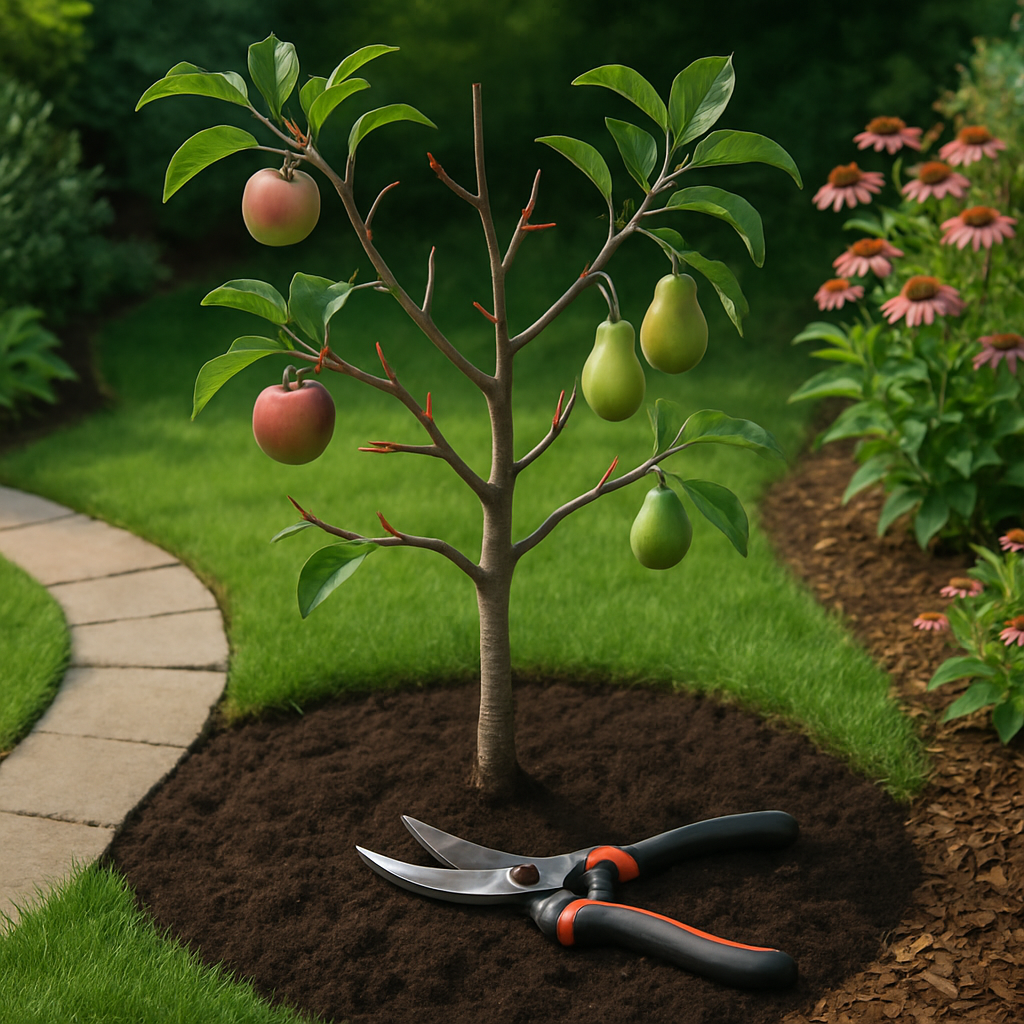
If you are searching for a clear fruit tree pruning diagram and beginner-friendly advice on pruning apple, pear, or small fruit trees, you have found the definitive guide. Pruning is the most effective strategy for maintaining tree health, maximizing fruit yield, and keeping your trees at a manageable size for harvesting. By following structured diagrams and proven seasonal guidelines, you can shape your trees for both beauty and productivity, whether in a California backyard or a northern garden. This article provides step-by-step insights into pruning strategies, the best seasonal timing, and key distinctions for apple and pear trees, all informed by research-backed sources and practical methods.
Understanding Structure: Shapes and Leaders for Fruit Trees
The first step in any pruning project is recognizing the best shape for your tree species and intended use. Most apple and pear trees thrive when trained to a central leader or modified leader form, which ensures a strong main trunk and evenly spaced lateral branches. For beginners, visual pruning diagrams can clarify where to make cuts and how to select scaffolding branches.
Stone fruits like peaches are often pruned to an open center structure, which removes the central trunk above a certain height to encourage outward growth. In contrast, apples and pears usually retain the central trunk and focus on balanced side branch development (University of Florida Extension).
It is important to select a shape based on your climate, goals, and whether your tree is grown more for flowering or fruiting. Diagrams can help clarify differences between central leader, multiple leader, and open vase techniques, streamlining decision-making for beginners.
When Is It Too Late to Prune Fruit Trees?
Timing is key for successful pruning. Most deciduous fruit trees, including apple and pear varieties, should be pruned during their dormant season—typically late winter to early spring. This reduces the risk of stimulating tender new growth that could be damaged by frost and fits perfectly with a pruning calendar you can reference annually.
In regions such as California or zones 6, 7, and 8, adjust your calendar slightly based on the last expected frost date. Pruning too late in spring can impact fruit set and delay overall development. However, corrective cuts can be made anytime for broken or diseased branches.
There is a genuine risk in pruning too close to bud break. Excessively late pruning may reduce yield or expose wounds to disease. Always refer to a pruning diagram if unsure of the right branches to remove, and keep the overall structure open and accessible (University of Maine Extension).
Key Pruning Cuts: How to Prune an Apple or Pear Tree
When shaping an apple or pear tree, rely on a small pruning diagram to distinguish between heading cuts (which stimulate bushier regrowth) and thinning cuts (which open up the canopy and reduce crowding). Start by removing any dead, diseased, or crossing branches. Always prioritize sunlight penetration and branch angle, as shaded interiors discourage flowering and weaken interior limbs.
For beginners, follow these basic steps with reference to a fruit tree pruning diagram:
- Select 3 to 5 strong lateral branches spaced evenly around the trunk as your main scaffolds.
- Remove all branches growing downward, inward, or straight up.
- On young trees, make a heading cut above a strong outward-facing bud to encourage a spreading habit.
- Limit pruning for trees younger than five years to shaping; excessive cuts delay fruit bearin.
Pruning an apple tree follows similar principles, but always check for fruit spurs and avoid removing too many spur-bearing branches, as shown in instructional YouTube pruning guides.
Maintaining Size: Keeping Trees Manageable in Summer and Winter
Besides shaping, pruning helps keep your fruit trees at a reasonable height for ease of harvest and care, which is essential for home gardeners. Regularly reducing the length of water sprouts and removing crowded growth every summer will keep trees compact and accessible.
Summer pruning restricts vegetative growth—ideal for already-formed trees—while winter pruning triggers new shoots for shaping younger structures. Aim to finish major cuts just before bud break in late winter, and use lighter touch during summer for maintenance.
This ongoing management is especially relevant for small backyard orchards or in climates where trees may otherwise outgrow their space. Reference diagrams can help plan each cut based on seasonal needs and your end goal: a small, highly productive apple or pear tree.
Always disinfect your tools before starting, use sharp pruners for clean results, and remove all trimmings from the area to reduce disease risk.
Visual Aids: Using Printable and PDF Pruning Diagrams for Beginners
Reading a high-quality fruit tree pruning diagram, especially one designed for beginners and available as a small PDF, can make an enormous difference in your success rate. Many universities and cooperative extension offices offer free, downloadable diagrams that visually mark the best cuts for shaping and maintaining apple and pear trees at optimal health and yield.
Look for diagrams that label the major structural elements: leaders, scaffolds, spurs, and dormant buds. Comparing before-and-after images can build confidence for absolute beginners. Some diagrams also show what various pruning cuts look like as the tree matures through each season, which helps with long-term planning.
For more guidance, explore extension resources linked throughout this article. The combination of reference materials, seasonal timing, and hands-on observation guarantees long-term orchard success.
Using fruit tree pruning diagrams and understanding how to prune apples, pears, and other varieties according to season and structure will help you grow healthier trees, maximize harvest, and simplify maintenance for years to come.
Comments
Post a Comment