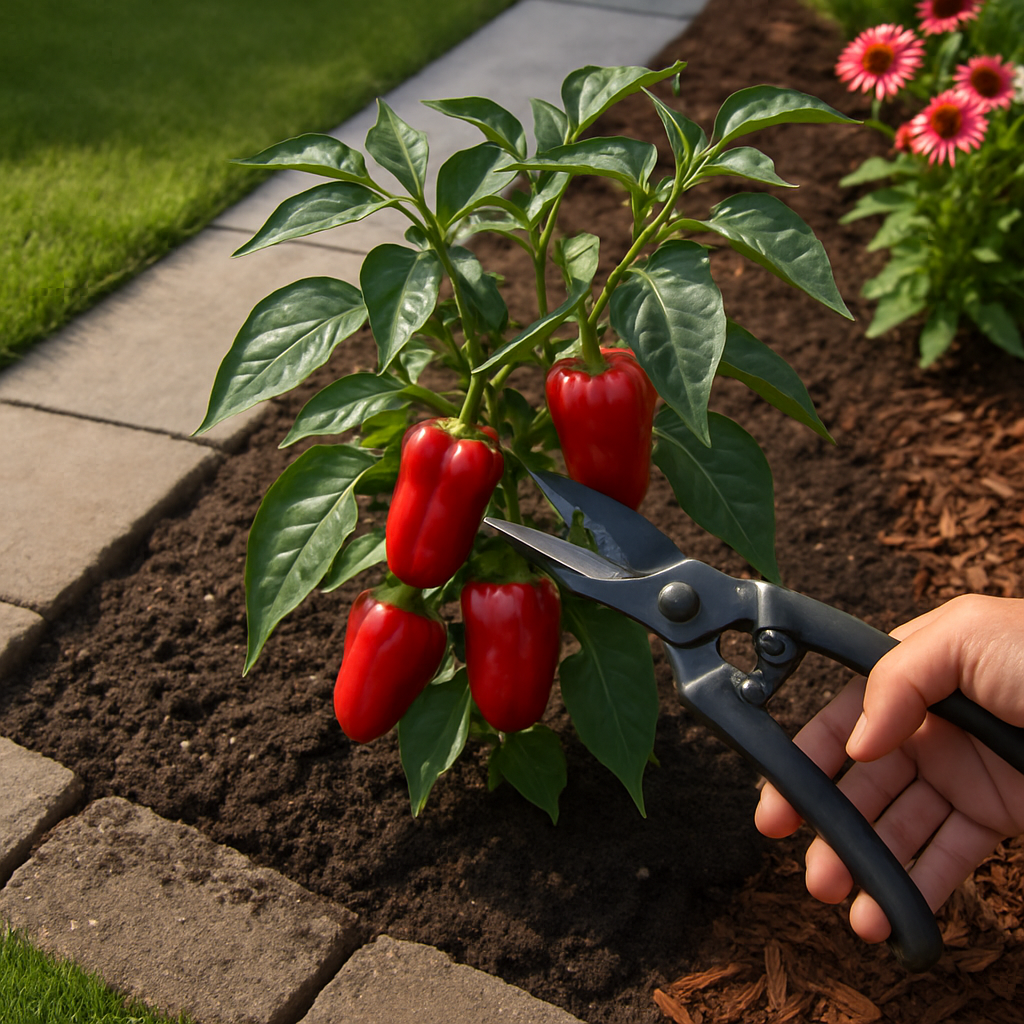
If you want more peppers and healthier plants, properly timing when to prune pepper plants is essential for maximizing your yield. Ideally, pepper plants should be pruned early in their growth for bushier, more productive stems, but there are still effective steps you can take even if the season is advanced. For gardeners wondering "when is it too late to prune pepper plants," the answer depends on your growing zone, the plant's maturity, and your harvest goals. In this article, we explore the right timing, the warning signs of late pruning, and advanced tips for getting the most from your bell, red, and green peppers.
Recognizing the Best Time to Prune Pepper Seedlings
The early stages of growth are prime for pruning pepper seedlings. By trimming the central stem once the plant has developed several sets of true leaves, you stimulate more side branching. This leads to a bushier and sturdier plant, increasing the number of potential pepper pods. Early pruning maximizes light exposure and air circulation through the canopy, setting up the foundation for strong yields later.
For beginner gardeners, the key is to avoid pruning too soon. Wait until seedlings are 6-8 inches tall with at least 3-5 true leaves, whether growing in containers or in-ground beds. Remove the topmost growth using sanitized clippers or by pinching with your fingers for small plants. This step prevents premature flowering and channels energy into structural development, not just vertical height. [Source]
Pruning during the seedling stage also lays the groundwork for greater resiliency against wind and heavy fruit loads as peppers mature. A bushier habit ensures better weight distribution and less stem breakage, especially important for bell, jalapeno, and cayenne varieties in pots. As a bonus, pruned peppers tend to have improved resistance to leaf spot and fungal diseases, thanks to enhanced airflow between stems and leaves.
Signs It Might Be Too Late for Pruning
Understanding when it is too late to prune pepper plants helps prevent unnecessary stress and yield loss. If your plants have already set a significant amount of fruit—especially if those fruits are beginning to turn color or ripen—major pruning can stunt production or reduce final harvests. Late pruning typically refers to cutting after midsummer or when daytime temperatures begin to drop consistently as fall approaches.
Look for these signs that pruning may be too late:
- The majority of blossoms have set fruit and pods are developing rapidly.
- Leaves are beginning to yellow and drop as the plant enters its natural senescence.
- Frost dates are imminent and peppers are within a couple weeks of harvest.
At this point, only minor trimming is recommended—such as removing weak, diseased, or non-productive branches. Heavy pruning of mature pepper plants can reduce the plant's ability to photosynthesize, leading to smaller or fewer mature fruits.
If you're gardening in regions like California or other areas with long growing seasons, you can push pruning a bit later into the summer, but always monitor plant health and weather trends closely. [Reference]
How to Trim for Maximum Pepper Yield
Whether your peppers are green, red, jalapeno, or bell, the technique used to trim for maximum yield follows several universal steps. Begin by selecting sharp, sanitized clippers. Start with the central leader if still early in the season. For bushier plants that have already branched, focus on thinning out crowded interior shoots and removing any branches that block airflow or light.
Pruning diagram guides can help, but the core principle is to remove anything that pulls resources from fruit development—such as excess blossoms, small immature fruits unlikely to ripen, and any foliage showing signs of disease or old age. When peppers are grown in containers or pots, be extra careful not to over-prune as container plants have limited root space to recover from heavy cuts.
Throughout the season, regular light maintenance pruning—removing yellowed leaves and spent flowers—conserves the plant's energy and directs it into building fleshy, flavorful fruits. As the end of the growing season approaches, shift your focus to removing late-forming blossoms and very small pods. This helps remaining peppers reach full size and color before the first frost hits.
For those overwintering pepper plants or growing them indoors during winter, continue light trimming to maintain shape and control size. However, avoid drastic cuts during the dormant period.
Special Tips for Pruning Peppers in Pots and Containers
Pruning peppers in containers requires a bit more care compared to in-ground beds. Because of their restricted root system, pot-grown seedlings can be more sensitive to environmental changes and over-pruning. Use smaller, precision clippers and limit cuts to soft growth and no more than 20-30% of total foliage at a time.
Be attentive to soil moisture—pruned plants transpire less, so you might need to adjust watering frequency after trimming. Supporting trimmed stems with stakes or cages prevents lodging, especially as fruit sets and weight increases. Remove any side shoots or suckers that form below the main set of branches, which redirects energy to the top canopy where fruit production is most vigorous.
In urban or balcony gardening scenarios common in California or other mild winter climates, judicious pruning keeps container peppers tidy and increases airflow, drastically reducing disease incidence.
As fruit begins to mature and color up—red, green, or yellow—resist the urge to prune heavily. Light selective trimming is all that is needed at this stage to help the plant finish the season strong.
Supporting Pepper Plants After Trimming
After any pruning, peppers benefit from extra care to recover quickly. Provide balanced fertilizer, using a blend tailored for fruiting vegetables to support new branch and fruit formation. Keep plants evenly watered, avoiding drought stress that could limit new growth or cause blossom end rot in maturing peppers.
Give plants some afternoon shade if your climate is particularly hot. Newly pruned plants, especially in pots or containers, can be more sensitive to intense sunlight and rapid evaporation. Keep an eye out for pests, as new growth is often more attractive to aphids and other common threats.
Harvest ripe peppers frequently, which stimulates continued flowering and fruit set on new branches if the weather remains favorable. Timely harvesting also reduces the weight load on branches, helping maintain the bushy, productive shape you achieved with proper pruning.
By following these tailored steps and understanding when to prune pepper plants—and when it is too late—you will ensure your garden delivers the maximum yield, flavor, and plant health all season long.
Comments
Post a Comment